English
 Chinese
Scan QRCode

On the last day of February, at 2:20 pm local time, violent explosions were heard in the Iranian capital Tehran, and Israel announced an attack. Iran officially declared a national state of emergency, and the Middle East war was once again ignited.
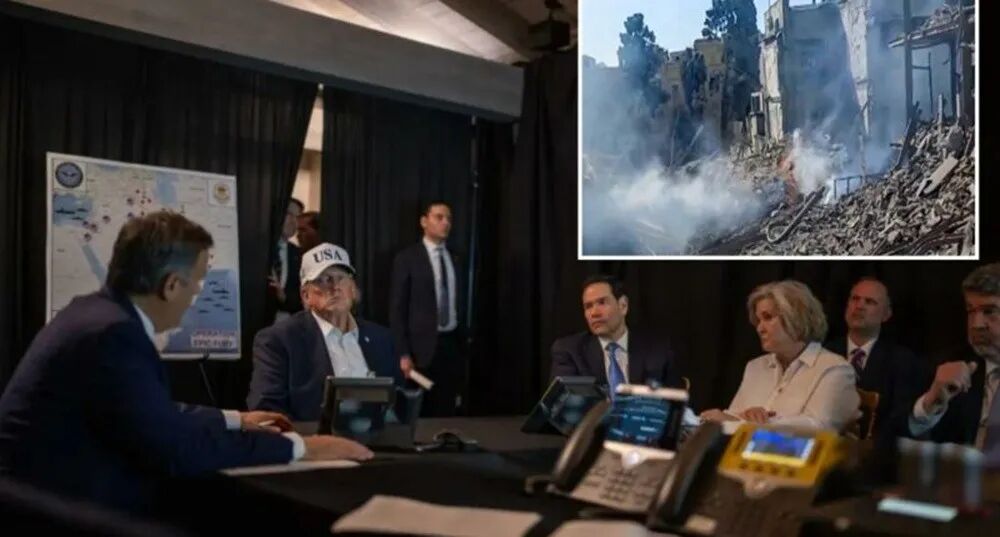
Image | Unexpected, yet reasonable
Following the first strike of the Israeli Air Force, the joint operation codenamed "Epic Fury" between the United States and Israel was launched comprehensively. Before the afternoon of February 28th, the United States and Israel launched aerial strikes against approximately 30 targets, including the Presidential Palace and the office of the Supreme Leader in Tehran. 70 minutes after the first wave of attacks, at 3:30 pm, US President Trump confirmed the involvement of the US military in the airstrikes and declared his intention to "flatten" Iran's missile industry. On March 1st at 02:38, Iran launched the "True Promise 4" counterattack operation, using multiple waves of missiles and drones to attack US and Israeli targets, as well as a wide range of areas in the Middle East suspected of containing US assets. At 20:00 that evening, it was announced that the Strait of Hormuz would be sealed off, which would strangle the key throat of the Middle East that supplies a quarter of the world's oil.
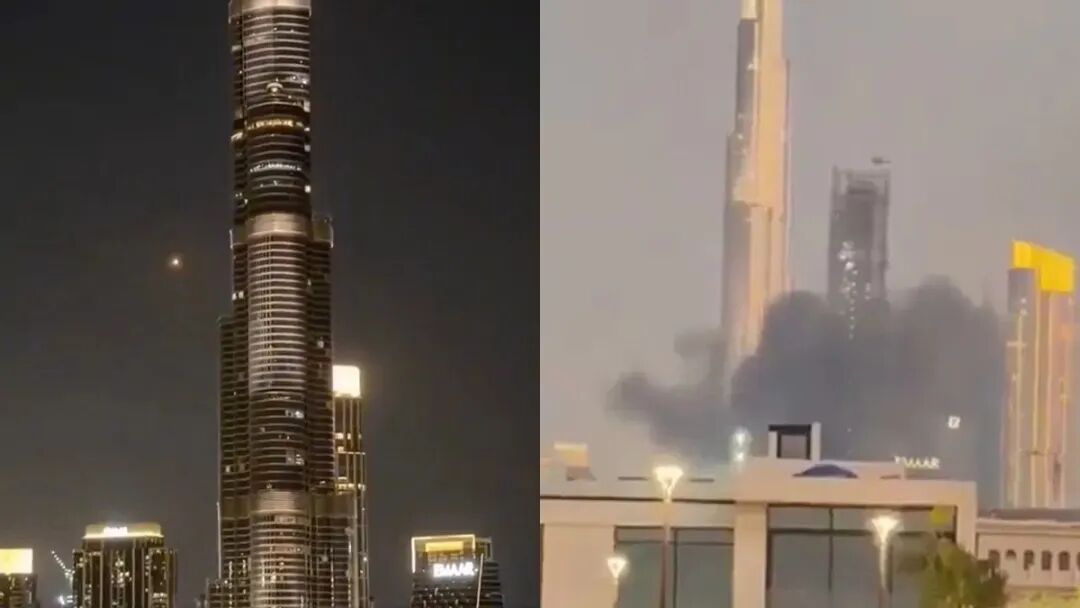
Even landmark buildings like the Burj Khalifa in Dubai, the world's tallest building, are not immune
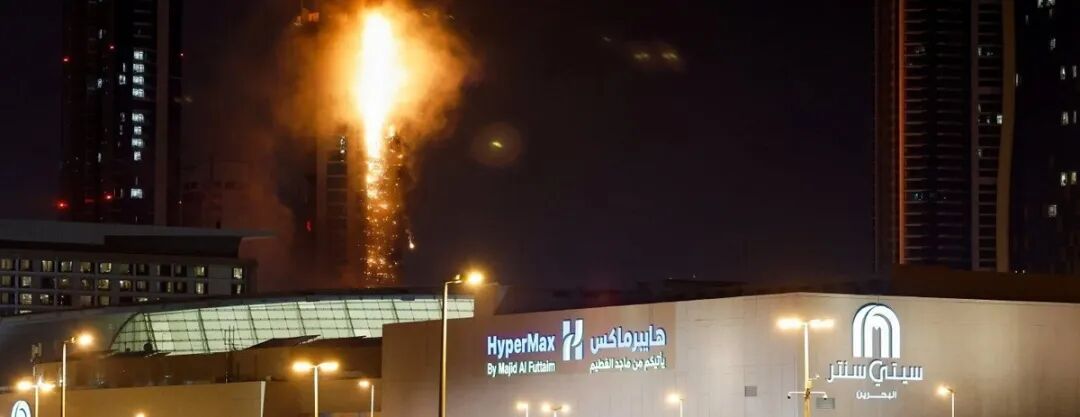
In a series of countermeasures launched by Iran, not only were military hubs and related facilities such as the Israeli Defense Forces General Staff in Israel, the large defense industrial park in Tel Aviv, the headquarters building of the US Fifth Fleet in Bahrain, and the Al Udeid Air Base in Qatar hit, but even the world's tallest building, located in important landmarks and key civilian hubs such as the Burj Khalifa in Dubai and Dubai International Airport, was also affected. In 2025, the Middle East, which had become an important growth point for China's automobile exports and even a global hub for energy and resources, was engulfed in flames overnight. And this article will provide a brief evaluation of its direct or indirect impact on China's automotive and related industries.
01 Short term impact from a market perspective
In 2024, the total number of Chinese cars exported to the Middle East region was 871700. By 2025, the total number of exports to Saudi Arabia (302000 vehicles) and the United Arab Emirates (572000 vehicles) alone has reached a scale of 874000 vehicles. In 2025, the incremental growth of the Saudi Arabian and UAE markets will be 9.6% and 73% respectively.
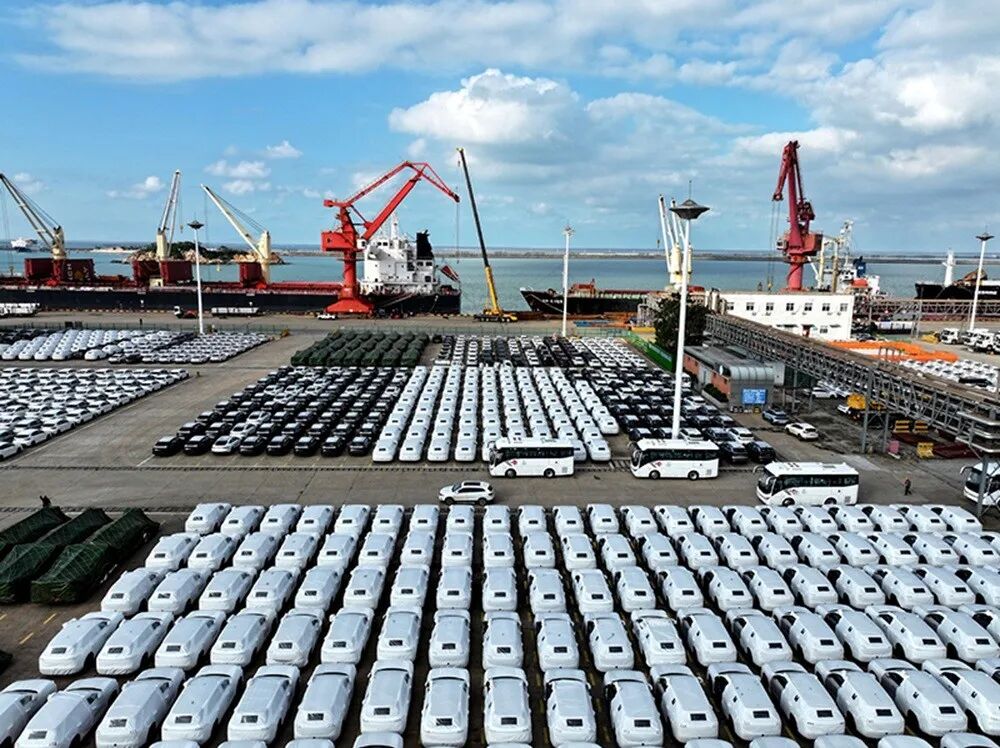
If 351000 vehicles (164000+101000+86000) are exported to Iran, Israel and Türkiye, and only some data are available, the total annual volume of Iraq is estimated to be about 30000 vehicles (18000 vehicles are known in the first half of the year), the total number of zero vehicles in the entire Middle East region in 2025 will be 1.25 to 1.3 million. Calculated based on conservative data, the growth rate exceeds 30% compared to 2024. In this year's original plan, with multiple Chinese vehicle groups completing their industrial layout in Southeast Asia and even the Middle East, there is hope for further development in the Middle East market. But now, with the sudden outbreak of war, the whole situation is at risk of going back to 2024. Of course, specific issues need to be analyzed on a case by case basis. Although the current war risks should be distinguished into two levels: short-term (within 3 months) military conflicts that can end, or long-term (more than 3 months) if turned to analyze their overall impact.
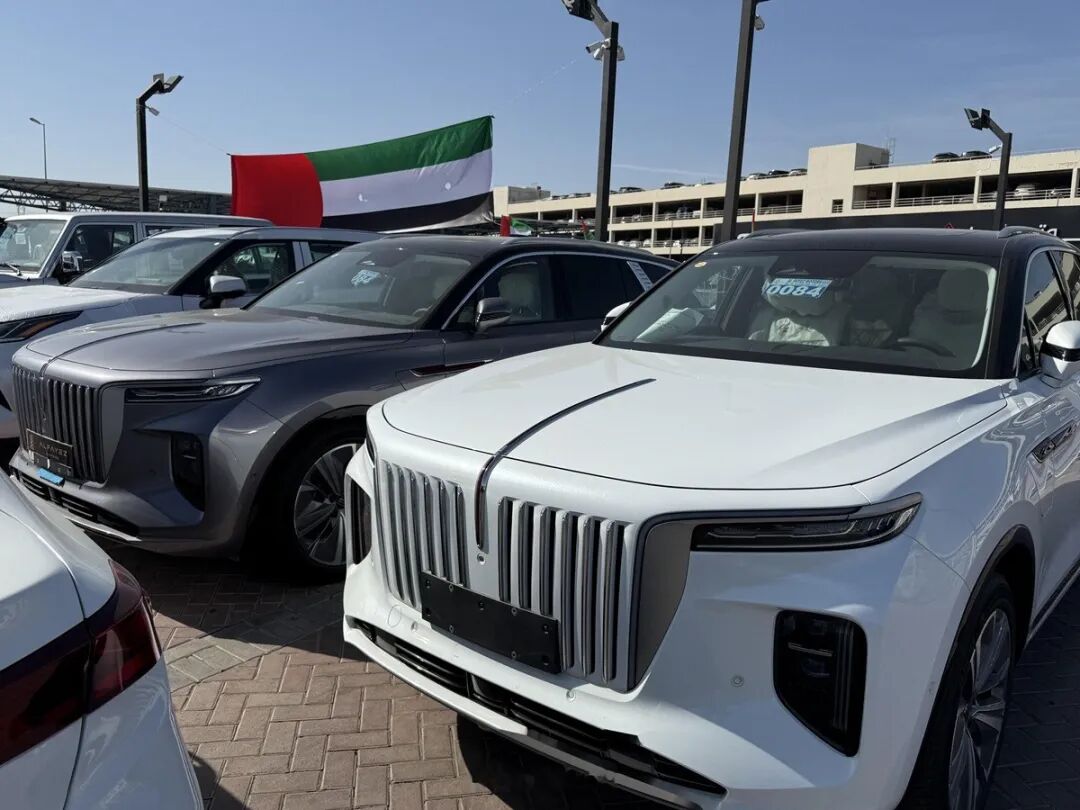
Image | Red Flag HS7 PHEV arriving in Dubai
Firstly, from a purely market perspective. Due to Iran's announcement of the blockade of the Persian Gulf, the sea transportation of automobile imports and exports to major coastal markets such as the United Arab Emirates, Saudi Arabia, Qatar, etc. has completely come to a halt. Not only can orders not be delivered on time, but inventory (complete vehicles and parts) cannot be effectively replenished. In short, even if the conflict can end in the short term, at least in the first half of this year, the entire Middle East market will be severely impacted. Consumer confidence in the conflict center area and surrounding markets has been severely dampened, and car sales have almost stagnated. The sales plans of global car companies, including Chinese enterprises, in the local area will be completely disrupted, and local car sales will fall to the bottom. From an industrial perspective, the impact is actually far beyond the automotive market. Given that the Strait of Hormuz carries over 20% of the world's oil transportation, the blockade will lead to a surge in international oil prices, which is inevitable in the short term. In addition, considering that China is a key supplier of Iran's methanol and lapis lazuli (used for extracting strontium, an important element in permanent magnet motors), the current situation is bound to affect the domestic chemical industry and even the automotive industry. Methanol is an extremely important solvent in the chemical industry, and also plays an important role in the production of antifreeze, processing of environmentally friendly fuels, and ethanol modifiers. At the same time, it can produce olefins that are very important for the plastic, chemical fiber, and synthetic rubber industries at low cost through the methanol olefin process. By 2025, China will import approximately 7.5 million tons of methanol from Iran, accounting for over half of the total import volume. Once the supply of methanol from Iran is significantly reduced or even cut off, it will inevitably affect the relevant domestic industries. Starting from the chemical industry, it spread to various industries and had a wide-ranging impact on multiple industries within a certain period of time. The possible cliff like decrease in methanol imports and uncertainty in the supply of lapis lazuli will have a direct impact on the domestic automotive industry. Celestite is used to produce strontium carbonate, which is an essential raw material for producing high-performance permanent magnet motors.
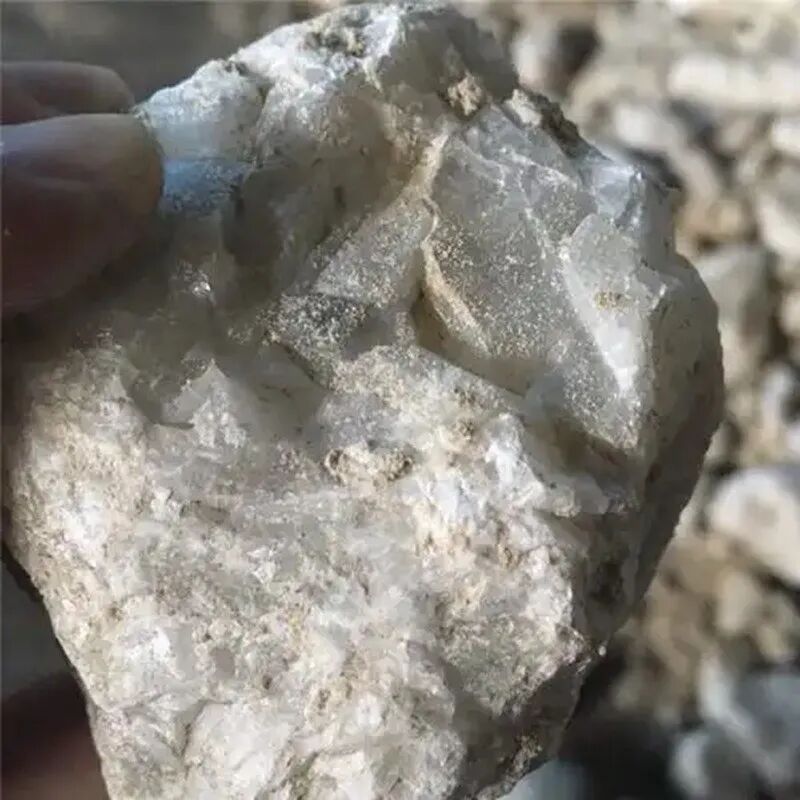
In the general perception, although lapis lazuli is not considered a gemstone, it has value for collection and play due to its beauty after grinding and cutting. However, its color originates from the strontium contained inside, which is an essential substance for high-performance permanent magnets
Due to Iran's possession of the world's highest grade lapis lazuli ore veins, with ore grades generally above 85%, much higher than domestic ores (35-60%), and low mining costs, it has long been the world's largest supplier of lapis lazuli minerals. Given that China's dependence on imported lapis lazuli is as high as 78%, with over 60% of the supply coming from Iran. So with the expansion of chaos, the risks in the supply chain of lapis lazuli cannot be ignored. In addition, if the conflict further spreads to the Strait of Mandeb, it will further affect the safety of the Red Sea Suez Canal, a major maritime route between Asia and Europe. If the ship detours around Cape of Good Hope, the voyage will be extended by 10-14 days, and combined with the soaring fuel costs caused by the decrease in oil supply, the cost of a single container will significantly increase. This will affect Chinese cars transported to Europe via this route, as well as the transportation of car parts between China and Europe.
02Using strategic layout to hedge long-term risksSince the war has already ignited in this critical region of the world, in today's world where globalization has not yet receded, all industrialized countries, including China, will inevitably be affected. Especially for a group of ambitious vehicle groups that have been targeting the Middle East market before. However, while being widely impacted in the short term, from a strategic perspective, if the conflict turns into a long-term one, it may also have some unexpected promoting effects on the adjustment of the existing industrial system to a certain extent.
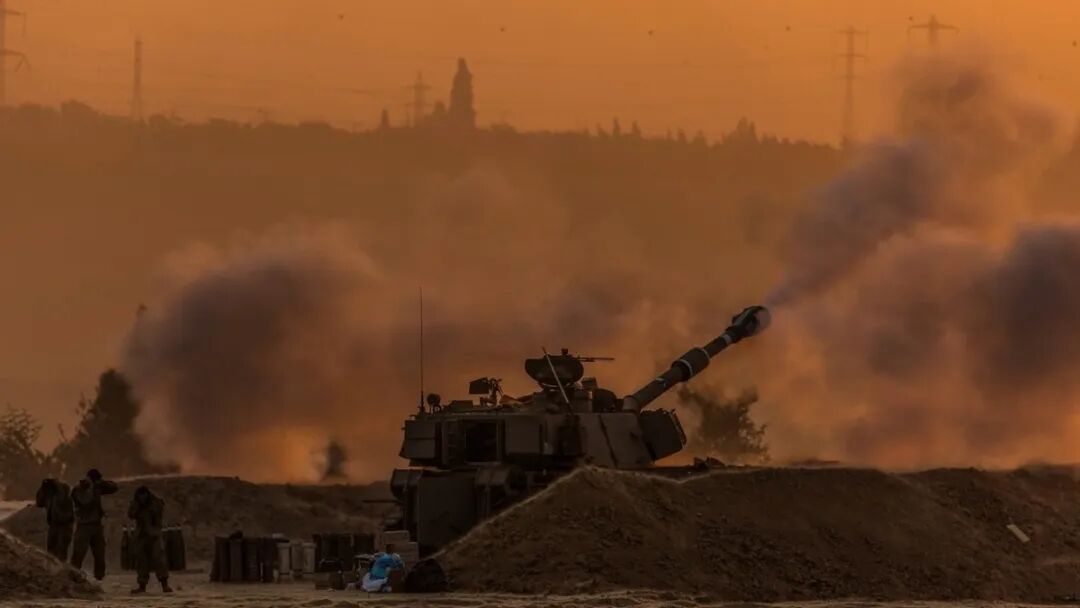
For the current situation in the Middle East, we need not take any chances to believe that it can be resolved in the short term, but the intense confrontation is also unlikely to last too long
But widespread attacks cannot last for a long time, and the characteristics of the Middle East region result in stable and long-term expansion of automobile consumption demand. If the conflict becomes prolonged and chronic, the markets of neighboring countries other than Iran will gradually become numb and adapt. After all, for everyone, life has to go on. Once the conflict turns into a long-term situation, that is, developing for more than three months, without fighting or sustained low-intensity attacks, the situation will undergo new changes. For domestic vehicle groups, the primary task at present is obviously to assess the situation and, if necessary, suspend shipments to high-risk areas in the Persian Gulf, and instead prioritize ensuring supply to relatively stable markets such as Europe, Southeast Asia, and Latin America. Major vehicle groups with business needs in the Middle East will seek alternative routes. For example, transferring through the port of Salalah in Oman and then land transportation, or disembarking from the port of Jeddah along the Red Sea coast. Although this may incur costs and be much less efficient than the current situation, it is still a common choice for companies to implement price increases based on extraordinary circumstances. Long term turbulence will force the Chinese automotive industry chain to accelerate the search for alternative sources or promote the localization of key materials, but the transition period will push up manufacturing costs. From a medium-term perspective, relevant domestic departments urgently assess and expand diversified supply channels for key materials such as methanol and strontium ore. Russia is also one of the major methanol exporting countries in the world. Given the serious trade surplus between China and Russia, a large number of methanol orders can just balance the trade. Such changes may even yield unexpected benefits, such as allowing Russian interest groups to relax various restrictions on China's automobile exports to Russia, thereby restoring growth in the export of complete vehicles to Russia.
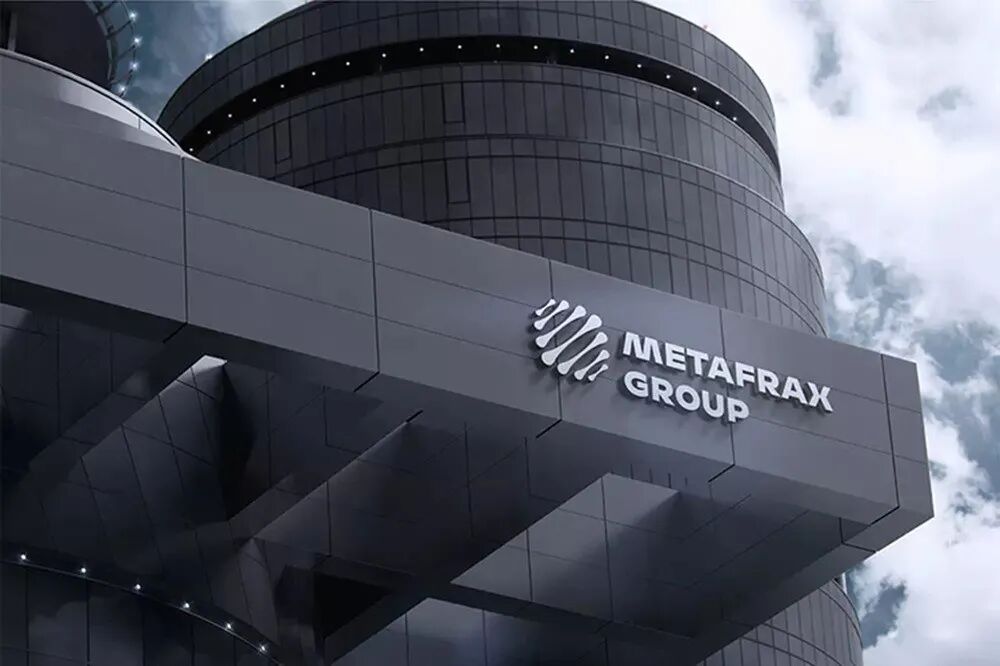
Methanol is a good commodity to balance the trade deficit between China and Russia. The picture shows Metafrax, the largest methanol producer in Russia
As for the supply of lapis lazuli, while overcoming the current difficulties with inventory, efforts should be made to develop new sources. For example, Badakhshan Province in northeastern Afghanistan has lapis lazuli veins that are no less abundant than those in Iran, with some mineral deposits even reaching up to 90% abundance and reserves of 50 million tons, making it a long-term project that can be calculated. In order to be prepared for unexpected needs, although domestic mineral deposits are relatively barren, they should not be abandoned. Even if the cost is relatively high, a certain degree of self-sufficiency must be ensured. At the same time, domestic new energy enterprises should strengthen the promotion of various hybrid and pure electric vehicles in the Middle East market during the current high oil price window period, striving to turn "danger" into "opportunity".
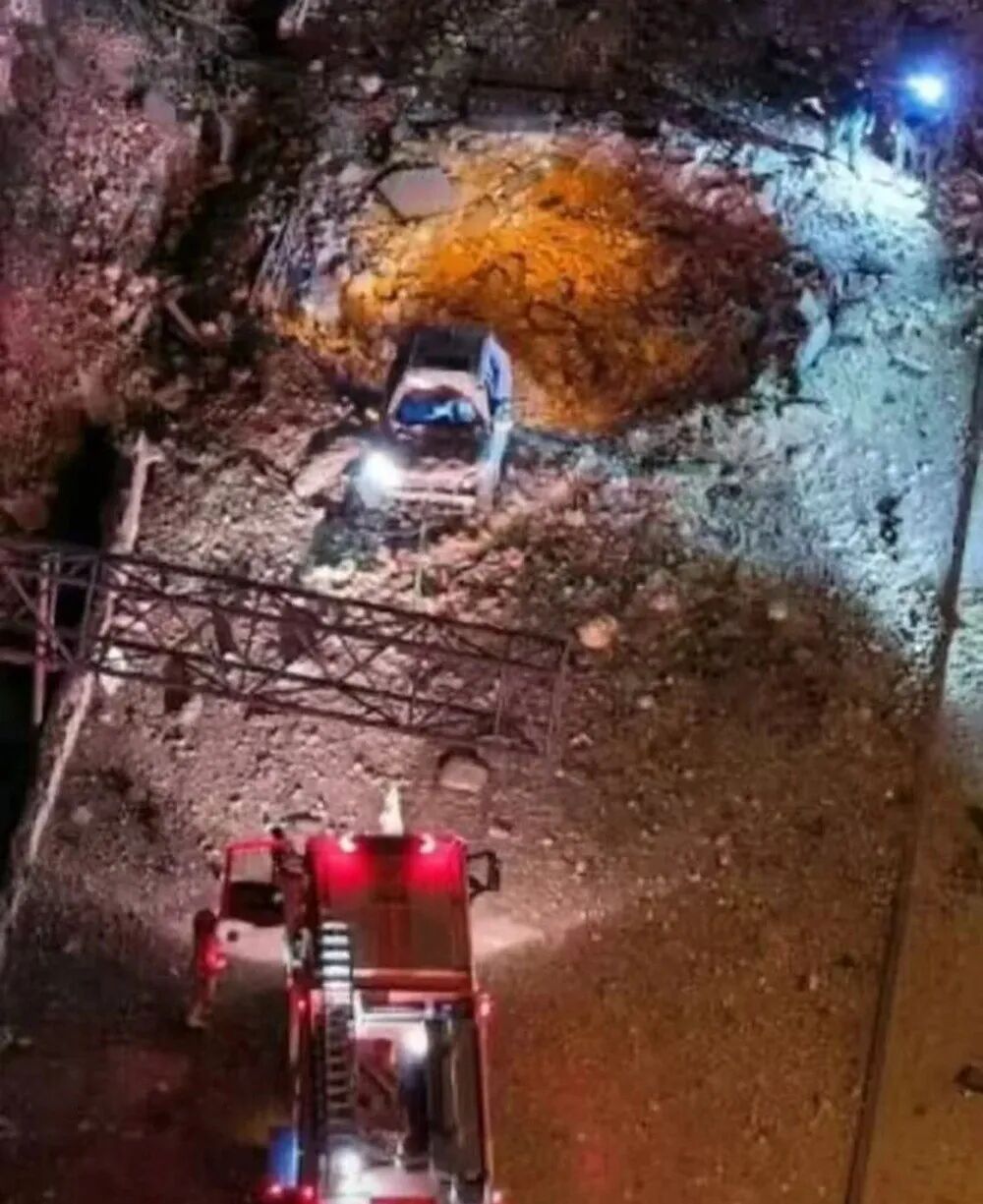
On the evening of March 1st local time, a BYD ATTO 3 (Yuan Plus) was accidentally hit by an Iranian tactical missile while driving. The missile exploded adjacent to the rear of the car, creating a large pit with a diameter of 7 meters and a depth of 3 meters on the road surface. However, the ATTO 3, which was almost directly hit, had a basically intact structure and all airbags were fully deployed, successfully saving the lives of the passengers in the car
With the cut-off of oil supply in the Persian Gulf, the potential energy crisis will fundamentally strengthen the economic advantages of electric vehicles. Especially the hybrid vehicles that Chinese enterprises currently have as their distinctive features, which have the function of mobile power stations, if combined with the background of regional conflicts, will demonstrate value far beyond the narrow scope of automobiles. In the future, in the Middle East region, we will have the opportunity to see reports of emergency power supply for households, communication facilities, and even hospitals, schools, etc. relying on the external function of Chinese new energy vehicles. It will not only greatly accelerate the electrification process of oil producing countries in the Middle East, but also launch the second wave of new energy in the global automotive industry due to the possible energy crisis.
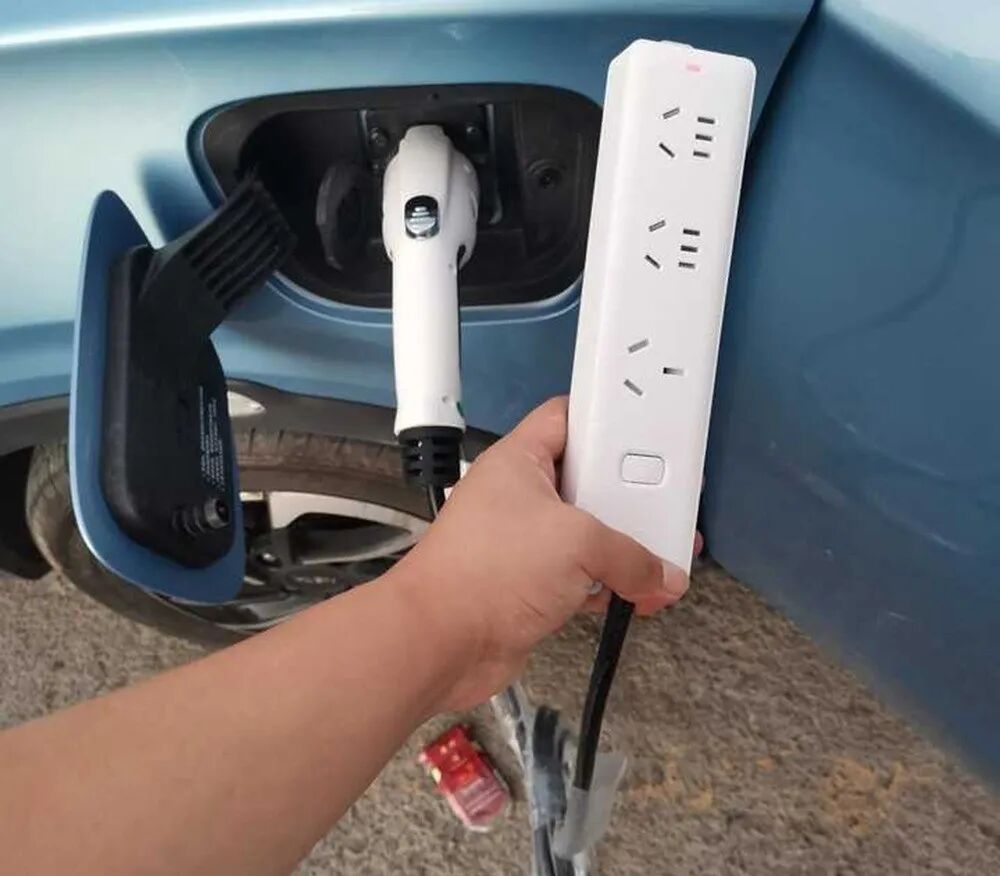
The external display function may just be icing on the cake for us, but for war-torn areas, it is likely to save lives or even emergency situations!
Some people may think that once the chaos persists, the market that was hard won in the Middle East will be lost. However, this idea actually fails to see through the essence of the problem. In fact, the current situation in the Middle East will cause fundamental damage to the United States and its allies, and may affect the image and business of European, American, Japanese, and Korean car brands in the region, driving Middle Eastern consumers to lean towards Chinese companies with better reputations. The Middle East war is not only a "stress test" for Chinese cars going global, but also a catalyst for accelerating the restructuring of the global industrial landscape. In the short term, the pains of the market and supply chain are inevitable; But in the long run, high oil prices and supply chain crises will irreversibly strengthen the logic of electric vehicle substitution and force the global automotive industry chain to shift from "efficiency first" to "safety and resilience first".
At present, global systemic competition has entered a white hot stage, especially in the automotive industry, which is expanding more towards the strategic level. In the end, the competition among various companies is essentially determined by strategic determination and overall layout. After all, the world is so vast and complex, and the flow of current events is also a normal occurrence. Chinese companies going abroad must accelerate their adaptation to the problems that cannot be avoided by globalized operations. Only through polishing and paragraph by paragraph, relying on its full industry chain advantages in the field of new energy, flexible supply chain reconstruction capabilities, and stronger adaptability to turbulent markets, can the Chinese automotive industry seize its own position in this chaotic era - not only to fill the vacuum left by the possible withdrawal of European, American, Japanese, and Korean car companies from the Middle East market, but also to use this as an opportunity to transform its first mover technological advantage into a stable market dominance and rule definition in the global industrial system confrontation, ultimately achieving a historic leap from "market for technology" to "technology wins the market".
AMS2024 Exhibition Guide | Comprehensive Exhibition Guide, Don't Miss the Exciting Events Online and Offline
Notice on Holding the Rui'an Promotion Conference for the 2025 China (Rui'an) International Automobile and Motorcycle Parts Exhibition
On September 5th, we invite you to join us at the Wenzhou Auto Parts Exhibition on a journey to trace the origin of the Auto Parts City, as per the invitation from the purchaser!
Hot Booking | AAPEX 2024- Professional Exhibition Channel for Entering the North American Auto Parts Market
The wind is just right, Qianchuan Hui! Looking forward to working with you at the 2024 Wenzhou Auto Parts Exhibition and composing a new chapter!
Live up to Shaohua | Wenzhou Auto Parts Exhibition, these wonderful moments are worth remembering!
Free support line!
Email Support!
Working Days/Hours!



Copyright © 2018, PKT Auto Parts All Rights Reserved
浙ICP备18033565号-1
 浙公网安备33038102332475号