English
 Chinese
Scan QRCode

China enters the 'Two Sessions' period. As a pillar industry of the national economy, the voice of representatives in the automotive sector has attracted much attention. Leaders of automobile companies such as GAC, Geely, Xiaopeng, Xiaomi, Changan, and Sailis have provided suggestions and opinions, speaking out on core issues in the automotive field such as autonomous driving legislation, low altitude economic development, green energy upgrading, and high-quality "going global", injecting new energy into the high-quality development of the industry.
Autonomous driving becomes a core issue, with dual acceleration of regulatory improvement and technological implementation
The legal status and commercialization of autonomous driving have become the most discussed topics in the automotive industry at this year's two sessions. During the window period of global autonomous driving regulatory reform, industry representatives have put forward targeted suggestions around different technological routes to promote the transition of advanced intelligent driving from "technology verification" to "large-scale commercial use".
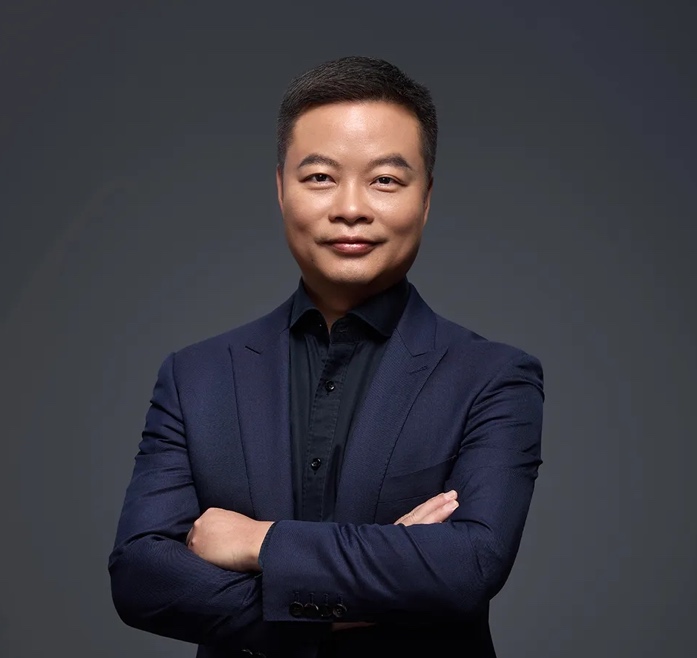
He Xiaopeng, National People's Congress representative and Chairman of Xiaopeng Motors
National People's Congress representative and Chairman of Xiaopeng Motors, He Xiaopeng, proposed to promote the transition of autonomous driving policies from L2 level to L4 level, gradually pushing L4 vehicles to be compliant on the road nationwide. The second generation VLA (Visual Language Action Model) released by Xiaopeng Motors on the eve of the Two Sessions also laid the foundation for the landing of its technological reserves.
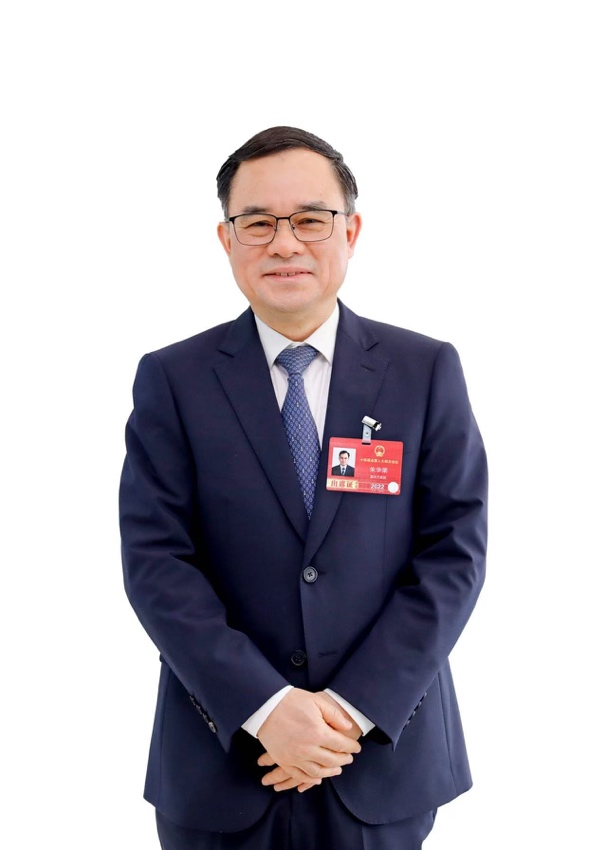
Zhu Huarong, National People's Congress representative and Chairman of China Changan Automobile
National People's Congress representative and Chairman of China Changan Automobile, Zhu Huarong, focuses on the commercialization of L3 level autonomous driving and suggests providing subsidies for core components, simplifying testing processes, and establishing promotional standards to clarify the functional boundaries of L2 and L3, in order to avoid user misuse. It is worth noting that in December 2025, the Ministry of Industry and Information Technology has issued L3 level access permits to Changan Shenlan and BAIC Jihu, and the implementation of relevant policies has a practical foundation.
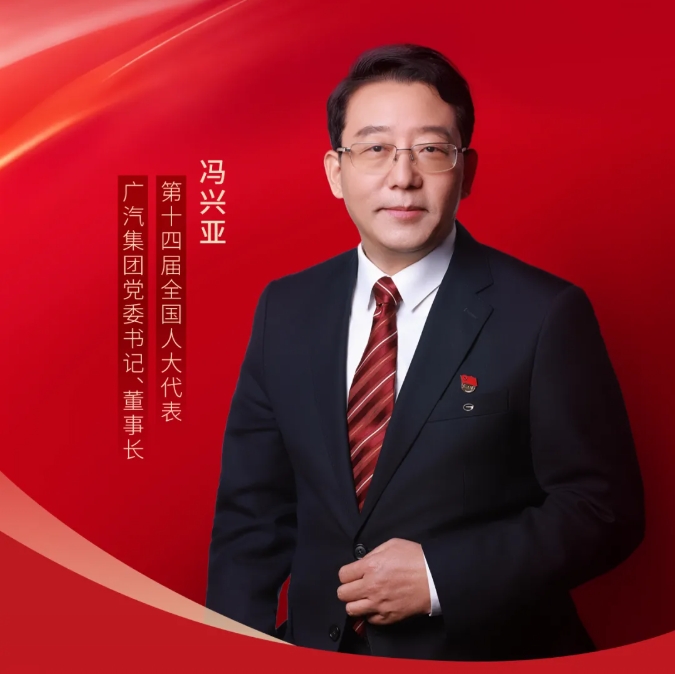
Feng Xingya, National People's Congress representative and Chairman of GAC Group
Feng Xingya, deputy to the National People's Congress and chairman of GAC Group, started from the top-level design and proposed to speed up the improvement of laws and regulations related to autonomous driving, build a unified national standard and evaluation system, and provide institutional guarantee for the large-scale implementation of autonomous vehicle. The industry believes that the "ice breaking" of autonomous driving regulations will directly benefit core component suppliers such as high computing chips, LiDAR, and wire controlled chassis, and promote new opportunities for the development of the intelligent driving industry chain.
Forward looking layout of new tracks, low altitude economy, embodied intelligence to accelerate development
Relying on the industrial foundation and technological accumulation of the automotive industry, new tracks such as low altitude economy and humanoid robots have become the focus of car companies' layout. In this regard, Feng Xingya suggested formulating a five-year plan for the development of low altitude economy, strengthening the overall planning of low altitude economy, improving the legal and regulatory system, perfecting the regulatory mechanism and mode, and expanding the commercial application scenarios. At present, the flying car brand Gaoyu incubated by GAC has built a factory in Guangzhou, and multiple products have entered the airworthiness certification stage. It is planned to achieve the first aircraft offline in March 2026. He Xiaopeng focuses on the landing of the flying car industry and suggests promoting the decentralization of low altitude airspace management authority, classifying the taxation of flying cars that meet airworthiness standards, and implementing phased tax reduction and support policies to reduce enterprise research and development, production, and marketing costs.
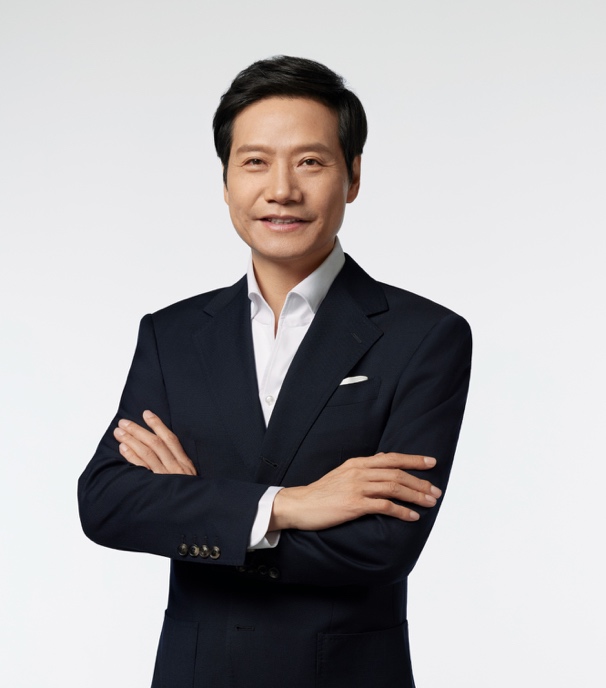
Lei Jun, National People's Congress representative and founder of Xiaomi Group
In the field of embodied intelligence, car companies are extending from "car manufacturing" to "intelligent manufacturing solution providers". Lei Junli, a National People's Congress representative and founder of Xiaomi Group, is promoting the engineering implementation of humanoid robots, expanding their intelligent manufacturing application scenarios, and strengthening the construction of safety standard systems. He Xiaopeng also called for the introduction of targeted R&D encouragement policies, promoting breakthroughs and commercialization of advanced intelligent humanoid robot end-to-end "brain" technology, and accelerating the construction of an intelligent standard system for humanoid robots. At present, car companies such as Geely, Xiaopeng, and GAC have all entered the field of embodied intelligent robots, and international car companies such as BMW and Toyota have also introduced humanoid robots in their factories, highlighting the trend of industrial integration.
Diversified upgrading of green energy to strengthen industrial chain security and energy independence
Against the backdrop of nearly 50% market share of new energy vehicles, the representative committee focuses on the diversified development of green energy, promotes the upgrading of the entire industry chain from multiple dimensions, and strengthens the country's independent ability in energy strategy. Feng Xingya suggested accelerating the construction of a unified national standard for battery swapping, strengthening operational subsidies and factor guarantees for battery swapping stations, and coordinating the layout of the entire battery swapping network. At the same time, he suggested improving the 70MPa hydrogenation standard and regulatory system to provide necessary institutional support for the hydrogen fuel cell vehicle industry.
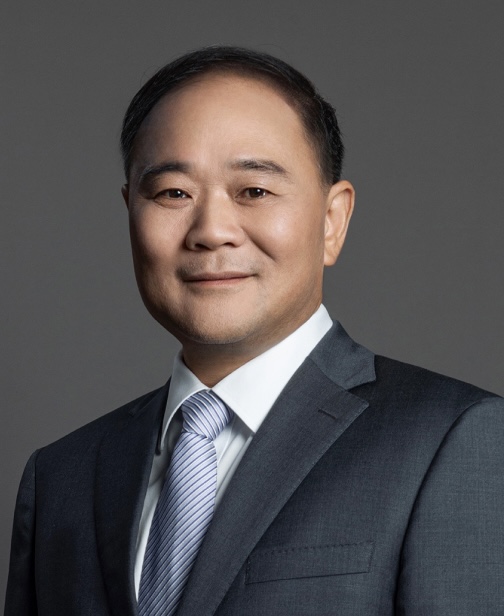
Li Shufu, member of the National Committee of the Chinese People's Political Consultative Conference and Chairman of Geely Holding Group
Li Shufu, a member of the National Committee of the Chinese People's Political Consultative Conference and Chairman of Geely Holding Group, has been continuously focusing on the methanol economy in recent years. He is committed to promoting the application of methanol electric operating trucks and continuously pushing for the methanol economy. He suggests promoting methanol electric operating trucks and laying out methanol refueling facilities to provide strong support for achieving the "dual carbon" goal in the transportation sector.
Anchoring high-quality overseas expansion from scale to value leap
By 2025, China's automobile exports will reach a new level of 7 million units, ranking first in the world for three consecutive years. In this context, promoting the "going global" of automobiles from "quantitative expansion" to "qualitative leap" has become an industry consensus. Feng Xingya suggested accelerating the integration of China's independent technology standards with international standards, building a compliance service system for going global, strengthening the coordination and unity of domestic enterprise standards, and enhancing global industrial competitiveness through "standard going global". Zhu Huarong suggested that the Ministry of Industry and Information Technology take the lead in building a basic common database for overseas automobile markets, establishing a risk warning system, promoting the internationalization of Chinese standards, and deepening cross-border pilot projects. Zhang Xinghai, a member of the National Committee of the Chinese People's Political Consultative Conference and Chairman of Sailis Group, is concerned about promoting the export of new energy vehicles through supply chain and financial services. Propose to establish a national level terminal consumer credit financial platform, promote international mutual recognition of automotive carbon footprint accounting standards, and break down barriers to going global and compliance.
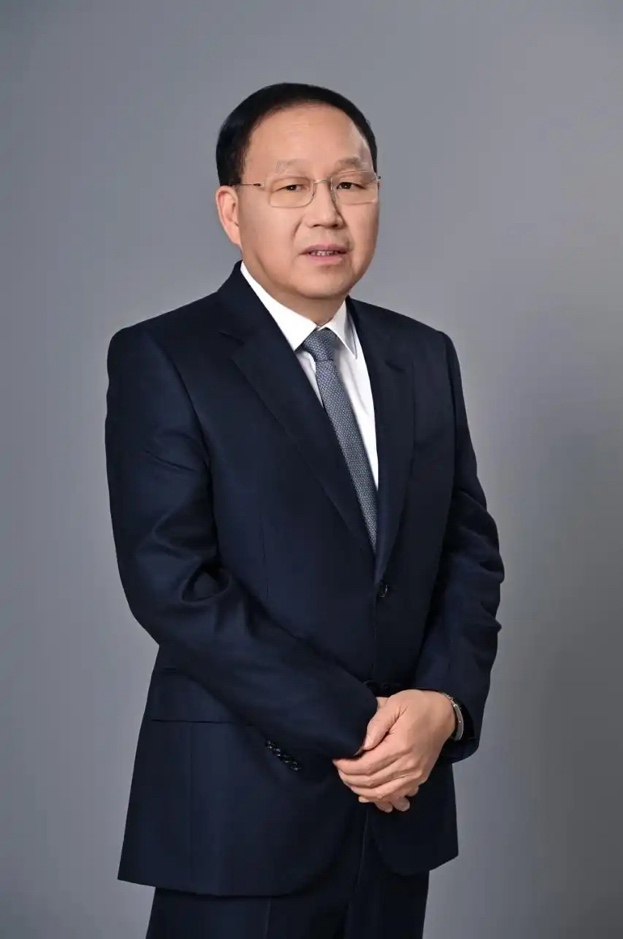
Zhang Xinghai, a member of the National Committee of the Chinese People's Political Consultative Conference and Chairman of Sailis Group
Industry insiders believe that with the improvement of China's automotive brand technological strength, "standard" going global will become the key to seizing the global industry discourse power, helping China to leap from a "major automobile exporting country" to a "global industry leader". In the first year of the 15th Five Year Plan, China's automobile industry is taking technological innovation as its core and globalization as its goal, accelerating towards high-quality development and promoting the leap from a major automobile country to a strong automobile country.
AMS2024 Exhibition Guide | Comprehensive Exhibition Guide, Don't Miss the Exciting Events Online and Offline
Notice on Holding the Rui'an Promotion Conference for the 2025 China (Rui'an) International Automobile and Motorcycle Parts Exhibition
On September 5th, we invite you to join us at the Wenzhou Auto Parts Exhibition on a journey to trace the origin of the Auto Parts City, as per the invitation from the purchaser!
Hot Booking | AAPEX 2024- Professional Exhibition Channel for Entering the North American Auto Parts Market
The wind is just right, Qianchuan Hui! Looking forward to working with you at the 2024 Wenzhou Auto Parts Exhibition and composing a new chapter!
Live up to Shaohua | Wenzhou Auto Parts Exhibition, these wonderful moments are worth remembering!
Free support line!
Email Support!
Working Days/Hours!



Copyright © 2018, PKT Auto Parts All Rights Reserved
浙ICP备18033565号-1
 浙公网安备33038102332475号