In the past few years, the argument that "auto shows are dead" has been circulating in the automotive industry. Especially with the shift of automotive marketing towards online channels, live press conferences, short video advertisements, and online ordering have become standard features for larger car companies selling cars, making marketing models such as car exhibitions that focus on offline displays redundant and outdated. Many people believe that consumers do not need to rush to exhibition halls to see cars, and car companies do not need to spend high booth costs to expose themselves. Auto shows have already lost their marketing value. In addition, in recent years, there have been frequent problems such as traffic congestion, public opinion deviation, and poor exhibition experience at car shows, which has led to increasing doubts in the industry about offline car shows. More importantly, the Chinese automotive industry has entered an era of stock competition, where competition among car companies has shifted from simple and violent product upgrades to dimensions such as technology, supply chain, and intelligent systems. A single new car debut is no longer able to support the brand competition needs of car companies. Therefore, many people have taken advantage of the situation and concluded that traditional car exhibitions centered on new car exposure are no longer able to keep up with the pace of industry iteration and are destined to decline.
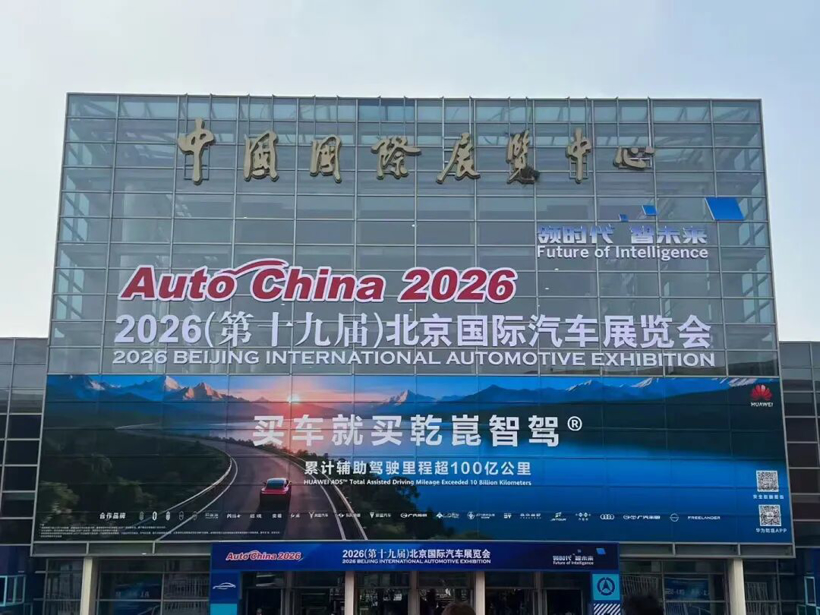
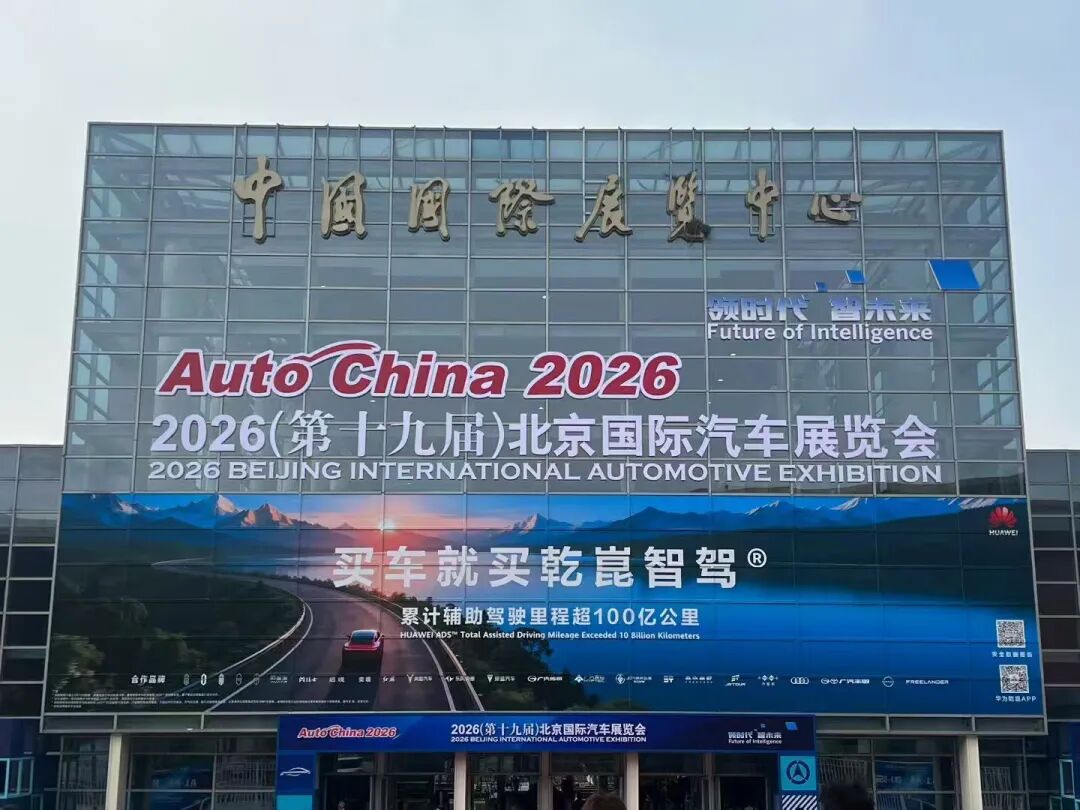
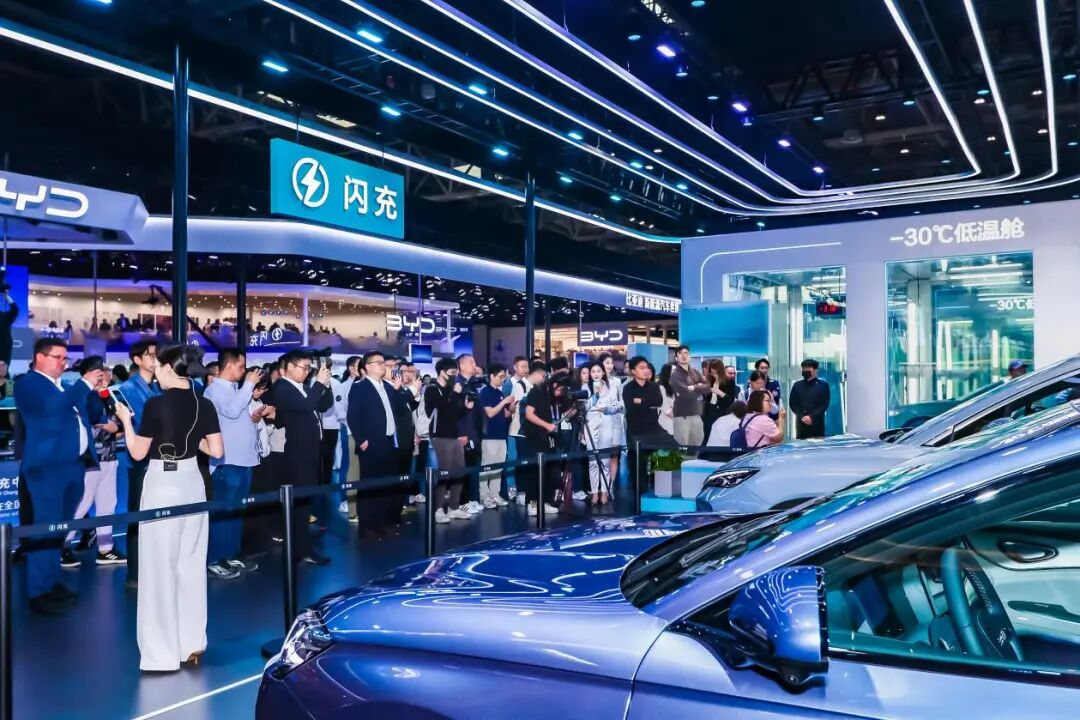
However, the 2026 Beijing International Auto Show seems to be using concrete actions to shatter the argument that "auto shows are dead". Especially when you participate deeply in this year's Beijing Auto Show offline, you will find that the show has not disappeared, but has shed its internet celebrity traffic attributes and returned to a more professional and pure side. Among them, the most intuitive is the update of infrastructure. In terms of scale, the 2026 Beijing Auto Show will achieve significant expansion, with the Shunyi Pavilion and the Capital International Convention and Exhibition Center linked together, with a total exhibition area of 380000 square meters, a significant increase from the previous exhibition area of 220000 square meters. At the same time, a total of 1451 exhibition cars were displayed throughout the exhibition, including 181 debut models, and 219 launch events were held. The exhibition volume, new car density, and industry exchange frequency all reached historical highs, demonstrating the carrying capacity of a top-level A-class auto show. In terms of supporting services, this year's auto show has targeted the shortcomings and optimized the viewing experience. The new building has added a 30000 square meter exclusive dining area to solve the problem of "nowhere to eat" in previous editions. At the same time, according to the organizer, the exhibition hall has completed a smart upgrade, taking into account the comfort level of ordinary visitors and the work needs of media practitioners and buyers. In addition, the reshaping of public opinion is the most significant change in the industry for this year's auto show.
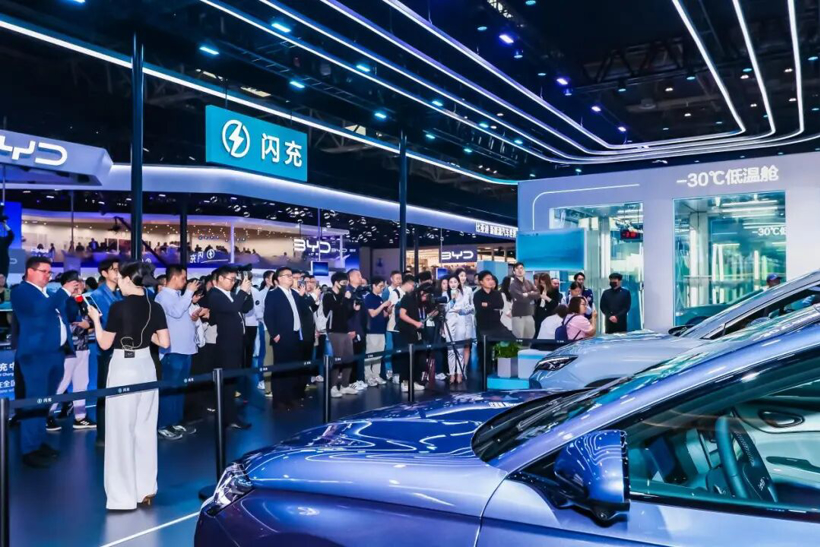
In the past few years, top domestic auto shows have often deviated from the main industry line and become a stage for entrepreneurs' personal marketing. Especially for cross-border car manufacturers, they frequently create hot topics, car company press conferences are enthusiastic about brand confrontation, and various controversial hot searches flood the screen. A large amount of traffic is focused on quotes from entrepreneurs and brand wars, covering up core industry content such as new car technology, industry trends, and supply chain iteration, leading to a complete deviation in public opinion and a continuous decline in professionalism at the auto show, causing many industry practitioners to speak out that the auto show is "putting the cart before the horse". At the 2026 Beijing Auto Show, a new industry consensus will be established, and major brand press conferences will completely abandon the mode of mocking internal competition and opposing marketing. All brands will focus on product iteration, technology implementation, and ecological layout, and will no longer deliberately create public opinion controversies or gain internet celebrity traffic. This change has brought the public opinion of auto shows back to the industry and products, with hot searches and industry discussions mainly focused on technology, intelligent cockpits, autonomous driving assistance, energy innovation, and other related topics. From a phased perspective, auto shows have shed their restless internet celebrity attributes and regained the professionalism of top industry exhibitions, making them the best platform for industry exchange, technology display, and trend analysis. At the same time, the upgrading of the exhibition pattern has also solidified the industrial value of the auto show, and the most significant change is the comprehensive improvement of the status of component and technology suppliers.
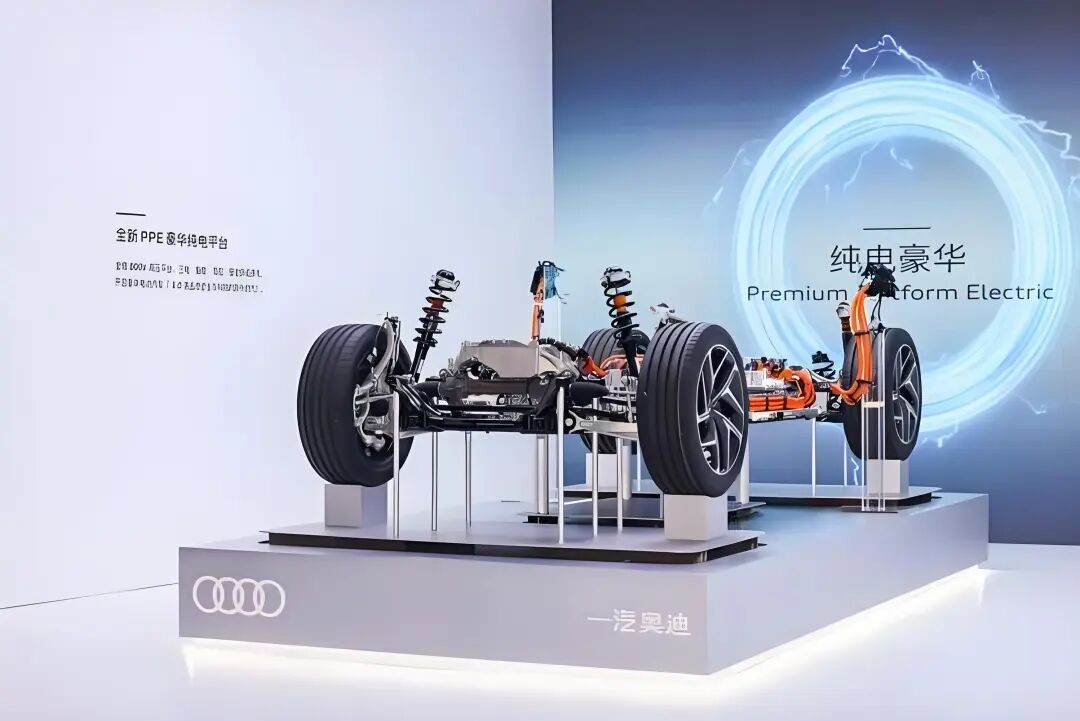
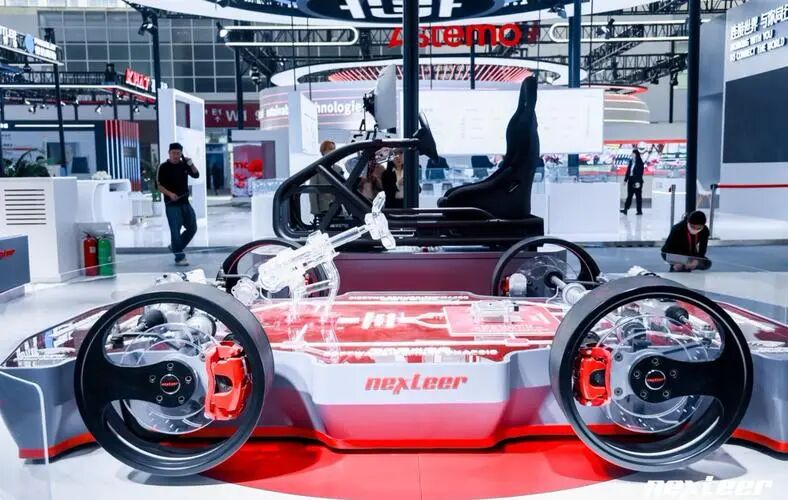
In previous auto shows, there was a serious problem of "whole parts separation". The whole car brand occupied the core exhibition hall and traffic, and the suppliers of parts and intelligent technology were placed in remote sub halls, with low exposure, becoming the supporting role of the auto show. But the competition in the industry is essentially a competition between supply chains and core technologies. New car displays that are detached from component technology are only superficial product appearances and cannot fully demonstrate the strength of the industry. This year's auto show broke this deadlock, with component companies and intelligent technology manufacturers from dozens of countries and regions around the world collectively entering the main exhibition hall, adjacent to vehicle companies such as Mercedes Benz, BMW, Volkswagen, and independent high-end brands. Among them, core supply chains such as Huawei, CATL, Bosch, and Horizon Robotics have built high standard independent exhibition booths, no longer appearing as hidden supporting parties for vehicle brands, but as independent industry participants, showcasing core underlying technologies such as in car chips, central computing platforms, intelligent driving solutions, and battery energy systems. Vehicle companies and supply chain companies have communicated and exhibited together in the same hall, achieving a complementary and interdependent "vehicle+parts+technology ecosystem", upgrading the auto show from a single new car exhibition to a platform for showcasing and cooperating throughout the entire industry chain. This undoubtedly aligns well with the current trend of competition in the entire automotive industry chain.
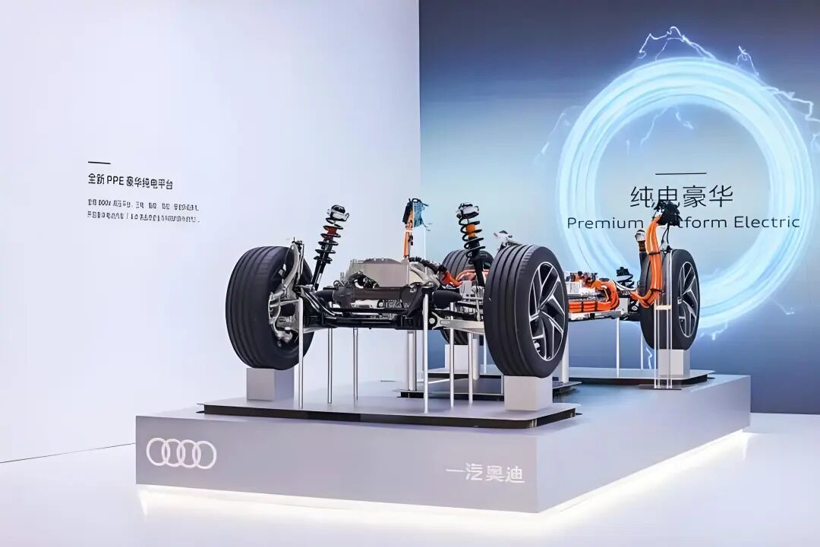
In terms of product trends, this auto show also confirms that electric intelligence has become the absolute mainstream in the industry. At the 2026 Beijing Auto Show, over 90% of the participating new cars are new energy vehicles, with full coverage of pure electric, plug-in hybrid, and hydrogen energy vehicles, covering the entire segmented markets of home, luxury, off-road, and commercial. At the same time, intelligence is no longer a promotional gimmick for car companies, and technologies such as large model in car interaction, all scenario intelligent driving, all domain body electronic control, and low-carbon energy replenishment ecology have been fully implemented in mass-produced car models. Whether it is the technological breakthrough of independent car companies or the intelligent transformation of luxury joint venture brands, they are all presented at this year's auto show, fully demonstrating the transformation of China's automotive industry from "electric catching up" to "intelligent leading". These upgrades and changes have to some extent answered the long-standing controversy in the industry, expressing the view that 'auto shows are not dead'. The traditional exhibition mode of impetuosity and putting the cart before the horse has died.
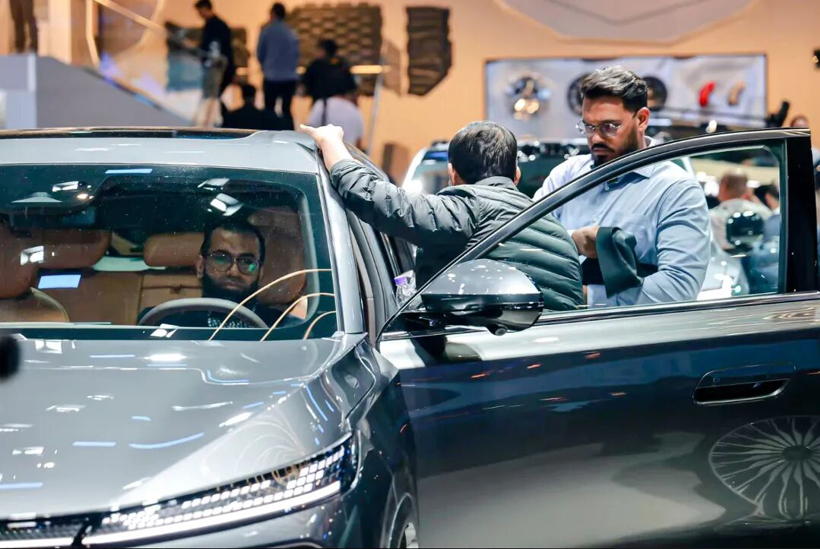
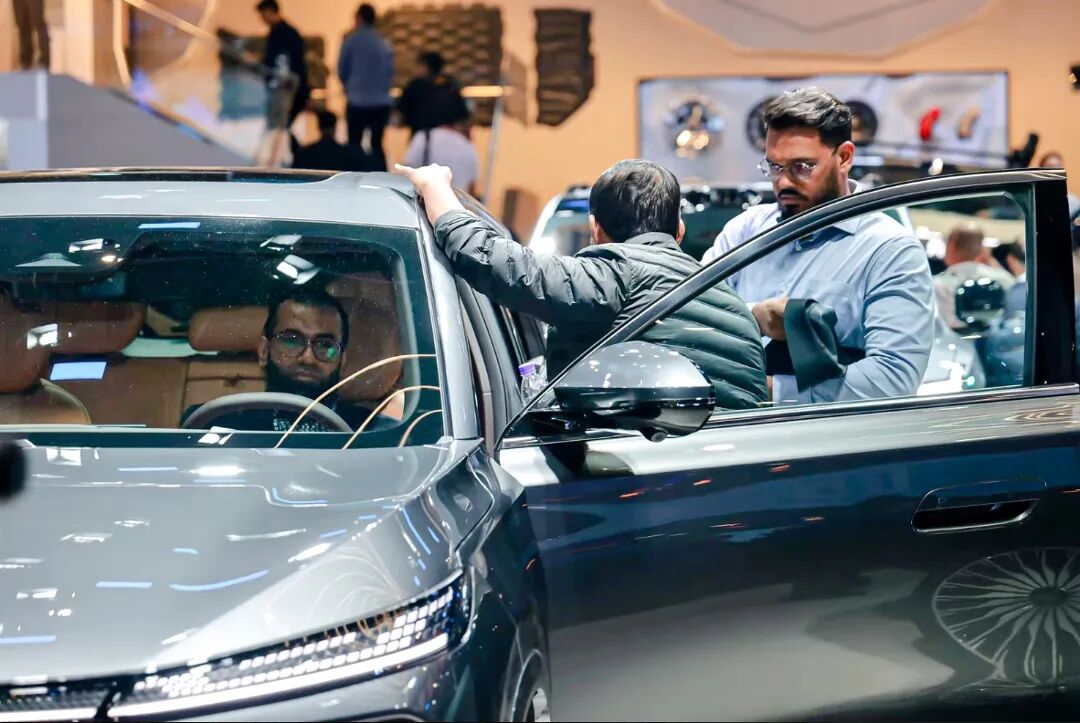
For car companies, auto shows are still the centralized communication window for annual brand strategies, technological achievements, and product matrices; For supply chain enterprises, auto shows are still an important platform for connecting with vehicle manufacturers and expanding industrial cooperation; For the industry, auto shows are a top-level event for predicting annual industry trends, sorting out competitive patterns, and consolidating industry consensus; For consumers, auto shows are the best scene for one-stop comparison of all models and intuitive experience of new automotive technologies. With this year's Beijing Auto Show as a model, in the future, top domestic A-class auto shows will have the opportunity to learn from this hosting model, further bid farewell to old appearances such as traffic hype, and continue to transform towards a more professional and industrialized approach. When car shows no longer pursue short-term traffic heat, but focus on industrial value, becoming a hub connecting vehicles, components, technology enterprises, capital, and users. In the transformation cycle of deep globalization, intelligence, and low carbonization in the automotive industry, top offline auto shows still have value that cannot be replaced by online channels, continuing to carry the upgrading and breakthrough of the automotive industry, and breaking the industry bias that "auto shows are dead".
 English
 Chinese