English
 Chinese
Scan QRCode

In April of this year, the domestic and foreign power battery recycling industries experienced synchronous fluctuations. Domestically, the Interim Measures for the Management of Recycling and Comprehensive Utilization of Waste Power Batteries for New Energy Vehicles have been officially implemented, covering the entire life cycle of batteries and with the strictest regulatory measures in history. Overseas, Ascend Elements, a leading American recycling company, has officially initiated bankruptcy proceedings due to market weakness, funding difficulties, and intense competition. Two things point to the same harsh reality: the battery recycling system left over from the first half of the electrification of new energy vehicles has yet to truly operate. As the first batch of large-scale power batteries enter the retirement period, chaos is becoming increasingly severe. Legitimate whitelist companies invest heavily and follow standardized processes, but find themselves in the embarrassing situation of 'no batteries to collect'; And underground small workshops, relying on their low-cost advantage and high price collection, grow wildly. Equally troubled are business owners. High frequency use accelerates battery degradation, and the cost of factory battery replacement even exceeds the residual value of the vehicle, leading to the absurd situation that replacing the battery is not as good as replacing the car. For this reason, some ride hailing drivers take risks by installing external batteries and replacing non-standard battery cells to forcibly "extend the life" of their vehicles.
01 Gray "life extension" methods are constantly emerging
According to QuestMobile data, as of July 2025, the monthly active user base of ride hailing drivers reached 29.243 million, a year-on-year increase of 23.3%. At present, the number of new energy vehicles in China has exceeded 43 million, and the first batch of large-scale operation vehicles such as ride hailing and taxis are entering a high incidence period of battery degradation. Faced with battery degradation, business owners are caught in a dilemma: buying original batteries through legitimate channels at a high price, even exceeding the residual value of the vehicle; Or continue to make do, causing serious damage to order volume and income; Alternatively, delve deeper into the gray area. Only on ordinary short video platforms, a simple search can find multiple "life extension methods". For car owners who do not want to modify the original vehicle's wiring, they can directly add physical "external devices" - installing batteries. Online ride hailing buses are installed in the trunk, while operating buses are installed under the vehicle. According to the merchant's quotation, taking a common ride hailing model as an example: "800 yuan per kilowatt hour below 10 degrees, 700 yuan per kilowatt hour between 10 and 20 degrees, and 650 yuan per kilowatt hour above 20 degrees." Installing a 20 degree battery only costs 13000 yuan, with an additional range of 150 kilometers, far lower than the original factory battery replacement cost of 50000 to 60000 yuan.
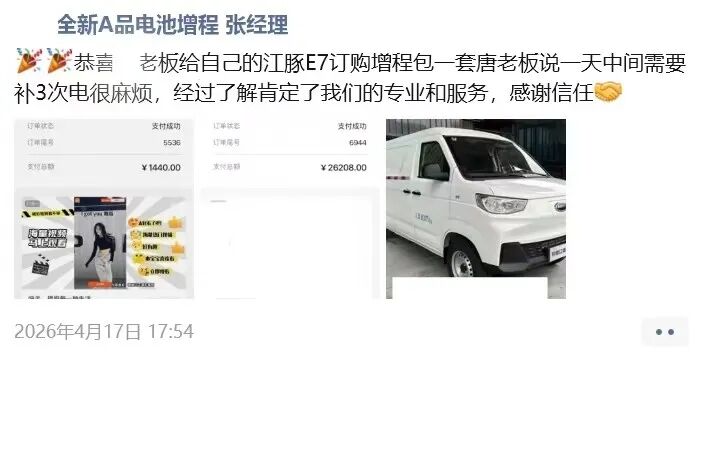
Some merchants package their private batteries as "car power banks", claiming that they are plug and play, do not break wires, do not modify the original car's three electric system, and can be disassembled at any time for vehicle inspection or warranty purposes, without affecting the original factory warranty. But when asked about the protection after the accident, the merchant said they can provide a 3-year or 10-year 300000 kilometer warranty, which only covers the battery itself. This also means that even if the rear end collision with the battery causes combustion and explosion, it is not covered by insurance claims. The original insurance of the vehicle may also refuse to compensate for the unauthorized modification of the battery, and all losses will be borne by the owner. Nevertheless, under the dual temptation of luck and cost saving, there are still a large number of car owners who take risks. Many of us have come to exchange, there's no need to hesitate, "urged the merchant. In addition to installing batteries, some merchants can also replace battery cells. When asked if the warranty can be extended after replacing the battery cell, the merchant replied, "Why don't you go to the 4S store for warranty? ”Immediately, the merchant adjusted his tone and said, "Most 4S stores require you to replace the entire package. We will replace the battery cells for you, but if you do, the warranty will definitely be lost
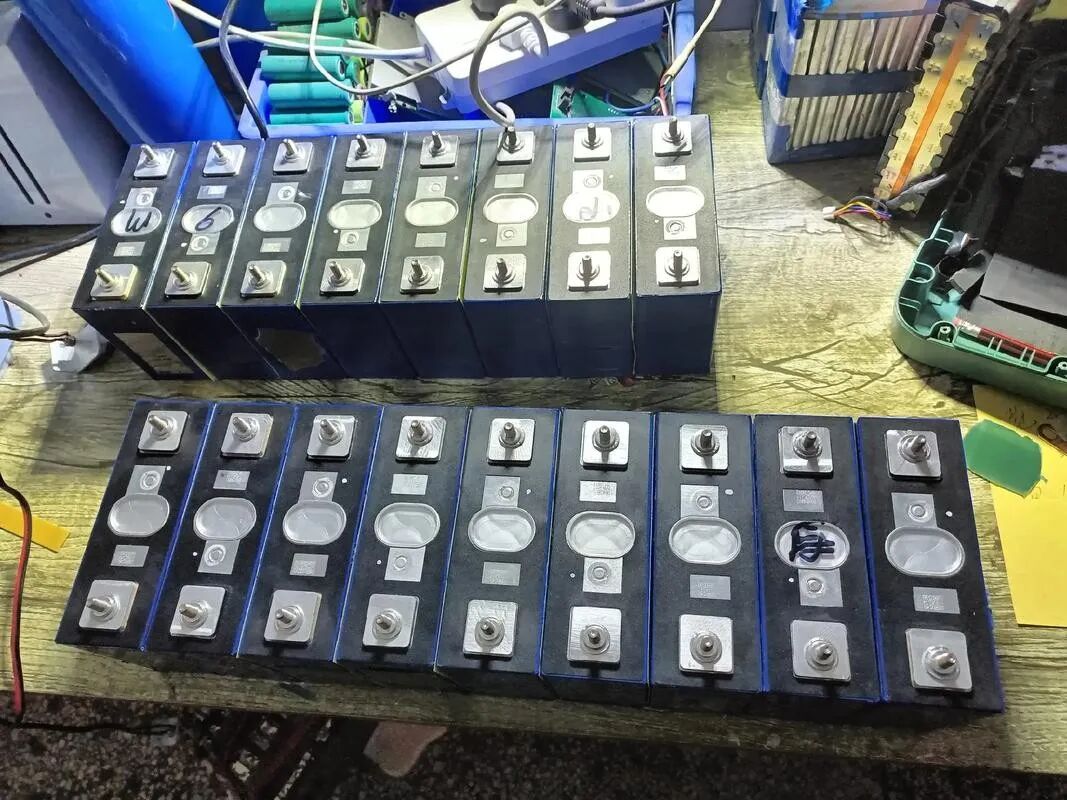
Some merchants also offer battery replacement services, claiming to be able to replace 68 degree batteries with 80 degree batteries, using "Ningde Times brand new batteries", with a construction period of five days and a 3-year, 300000 kilometer warranty. But when further consulted, the merchant was vague and urgent in tone. However, most of the new batteries from CATL are directly supplied to car companies. According to the financial report, Ningde Times' net profit in 2025 was 72.201 billion yuan, a year-on-year increase of 42.28%. In the context of lucrative profits and supply shortages, there is no need for CATL to cooperate with individual businesses in gray areas. There are no brand new Ningde Times batteries on the market at all. They just refurbished and processed old batteries from dismantled cars and claimed to be Ningde Times, "said Manager Zhang, an industry insider who provides battery installation services.
The recycling system has not been fully implemented, and car owners are trapped in a cost dilemma
The core reason why business owners are willing to take safety and compliance risks and venture into the gray area of battery modification is only one: cost. Behind the seemingly high income is the unbearable operational pressure, and the high cost of battery replacement has become another straw pressing on them. According to a survey conducted by an organization on the Shanghai ride hailing community in 2025, full-time drivers have an average monthly income of nearly 15000 yuan, while part-time drivers have an average monthly income of 3720 yuan. On the surface, the income may seem decent, but behind it lies an unusually high-intensity workload: 40.4% of drivers work 6-10 hours a day, 38.38% work 10-14 hours, and 4.04% work over 14 hours. Income is not equivalent to cost. In the above survey, out of town drivers accounted for nearly 70%, of which over 70% rented sports cars and paid an average monthly rental fee of about 6634 yuan. A Shanghai driver posted a March bill: income of 12800 yuan, deducting 5030 yuan for car rental, 633 yuan for charging, 288 yuan for meals, commission free cards, parking fees, etc., the total expenditure is 6400 yuan, not including rent. Another Guangdong car owner leaves the car at 7:40 every day and returns home at 8 pm, with 3 days off per month. After deducting the car rental and electricity fees, he received about 7000 yuan. To maintain income, over 35% of drivers do not take a break every month, 30.69% take 1-2 days off per month, and 22.44% take 3-4 days off. High intensity sports cars not only consume energy, but also accelerate battery depletion. Online ride hailing services travel an average of 200-300 kilometers per day, with pure electric cars charging once a day and extended range cars charging twice a day. After the battery decays, the charging frequency increases, directly compressing the running time. The winter range is severely discounted, and some drivers admit, 'With the air conditioning on, you can only run a few orders before you have to charge.' Drivers have already pushed the cost to the limit in areas such as food and charging. A car that runs for five or six years, and then carries a negative cost of ten thousand yuan for battery replacement, is unaffordable for the vast majority of people.
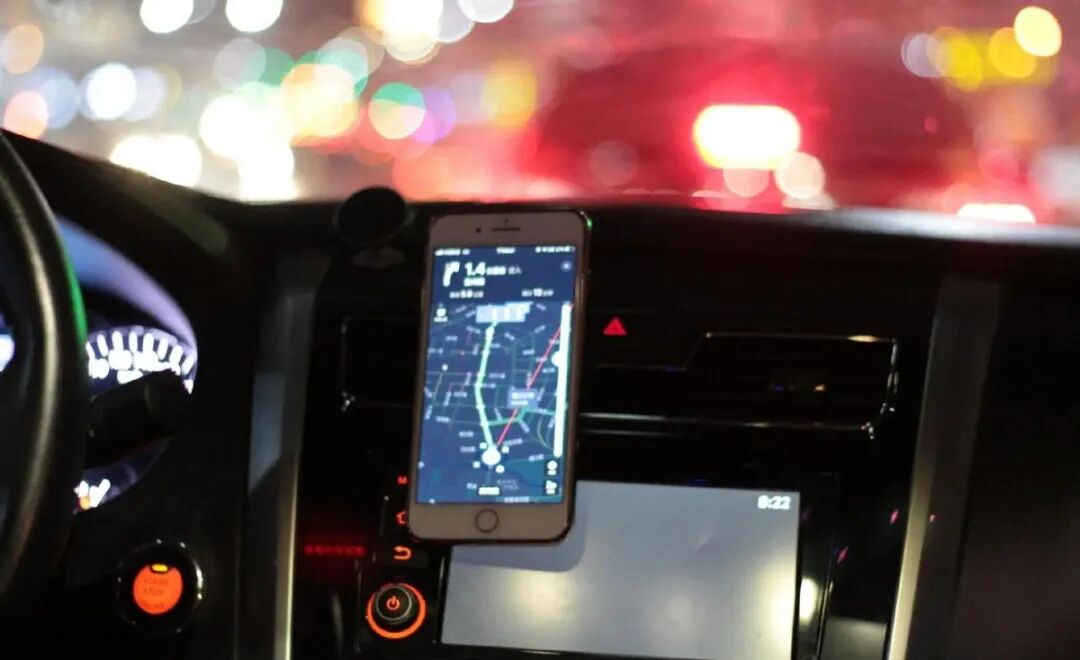
Battery degradation is a pain in the early stages of the development of the new energy industry, which is difficult to avoid in the short term. The deeper problem is that China's battery recycling system is far from mature. Legitimate whitelist companies invest billions of dollars, with standardized processing procedures and strict environmental standards, but cannot receive batteries due to low recycling prices. Some media have called 156 companies on the whitelist, of which 131 were unable to be connected, shut down, had an empty number, or had no follow-up after being connected. A few companies that were successfully contacted cried out that they had no batteries to collect, and some were forced to shut down. A middleman revealed that nearly 90% of C-end power batteries ultimately flow into underground small workshops. Two years ago, media undercover investigations found that most of the recycled lithium batteries were dismantled and reassembled, used for two or three wheeled electric vehicles, and flowed to couriers and food delivery drivers. But this kind of 'hierarchical utilization' is now explicitly prohibited. The newly issued "Interim Measures" no longer use this concept and stipulate that no organization or individual shall directly or processed waste power batteries for use in electric bicycles and other prohibited fields. More unscrupulous merchants replace the explosion-proof film on used batteries and sell them as inferior ones, pretending to be brand new batteries from large factories and selling them at low prices. Even if something happens, the so-called 'warranty' only covers the battery itself. However, the potential cost, in the face of "saving money" and "luck", is consciously ignored by many car owners.
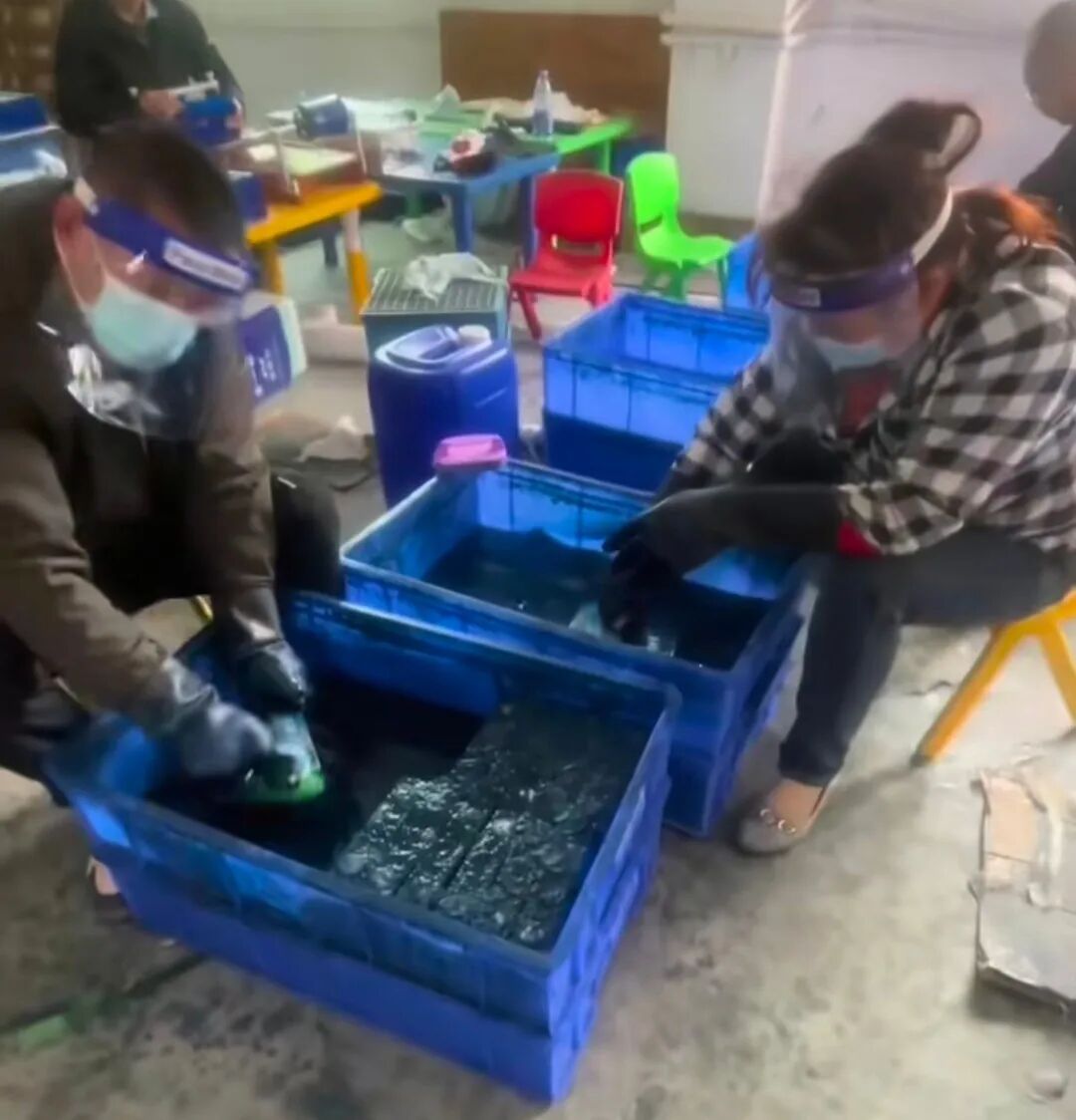
On the part of car companies, their attitude towards car owners who have passed warranty and ride hailing services is also unclear. The official installation of batteries has thin profits, difficult accountability, and impacts on new car sales, making it difficult for car companies to come up with effective response strategies. On one hand, there is the absurd reality of legitimate recycling enterprises having technology, qualifications, and no batteries; on the other hand, there is the gray prosperity of small workshops with low cost, high price, and wild growth; On one hand, it is the helpless compromise of operating car owners facing sky high battery replacement costs, and on the other hand, it is the huge safety hazards buried by gray modification. The game surrounding the retirement of power batteries has yet to find a balance point. The policy has been intensified. According to the Interim Measures for Management, when non battery swapping new energy vehicles are scrapped or cancelled, the entire vehicle and the original power battery must be sold to qualified enterprises together, and it is strictly prohibited to dismantle or sell them separately in advance; Missing batteries will prevent cancellation registration from being processed. The graded management of automobile modification mentioned in the State Council's "Work Plan for Accelerating the Cultivation of New Growth Points in Service Consumption" is also forcing black workshops to withdraw and expanding the development path of qualified enterprises. The essence of the dilemma in the recycling of power batteries is not a technical issue, but rather an unresolved interest mechanism. The profits of car companies are already meager, making it difficult for them to become initiators of battery swapping. Regular enterprises cannot receive batteries due to high costs, and selling old batteries separately by car owners has great profit potential. A middleman revealed that nearly 90% of C-end power batteries end up flowing into underground small workshops at high prices. To break the deadlock, multiple parties need to work together: car companies seek solutions, recycling companies break through the closed loop, regulatory authorities crack down on black workshops, and support the regular army. Otherwise, car owners who cannot afford to replace their batteries can only continue to take a gamble, and this gray industry chain will continue to devour industrial health and public safety. Batteries have a lifespan, but the industry cannot be short-lived. If the recycling channel cannot run, the "first half" of new energy vehicles will never truly come to an end.
AMS2024 Exhibition Guide | Comprehensive Exhibition Guide, Don't Miss the Exciting Events Online and Offline
Notice on Holding the Rui'an Promotion Conference for the 2025 China (Rui'an) International Automobile and Motorcycle Parts Exhibition
On September 5th, we invite you to join us at the Wenzhou Auto Parts Exhibition on a journey to trace the origin of the Auto Parts City, as per the invitation from the purchaser!
Hot Booking | AAPEX 2024- Professional Exhibition Channel for Entering the North American Auto Parts Market
The wind is just right, Qianchuan Hui! Looking forward to working with you at the 2024 Wenzhou Auto Parts Exhibition and composing a new chapter!
Live up to Shaohua | Wenzhou Auto Parts Exhibition, these wonderful moments are worth remembering!
Free support line!
Email Support!
Working Days/Hours!



Copyright © 2018, PKT Auto Parts All Rights Reserved
浙ICP备18033565号-1
 浙公网安备33038102332475号