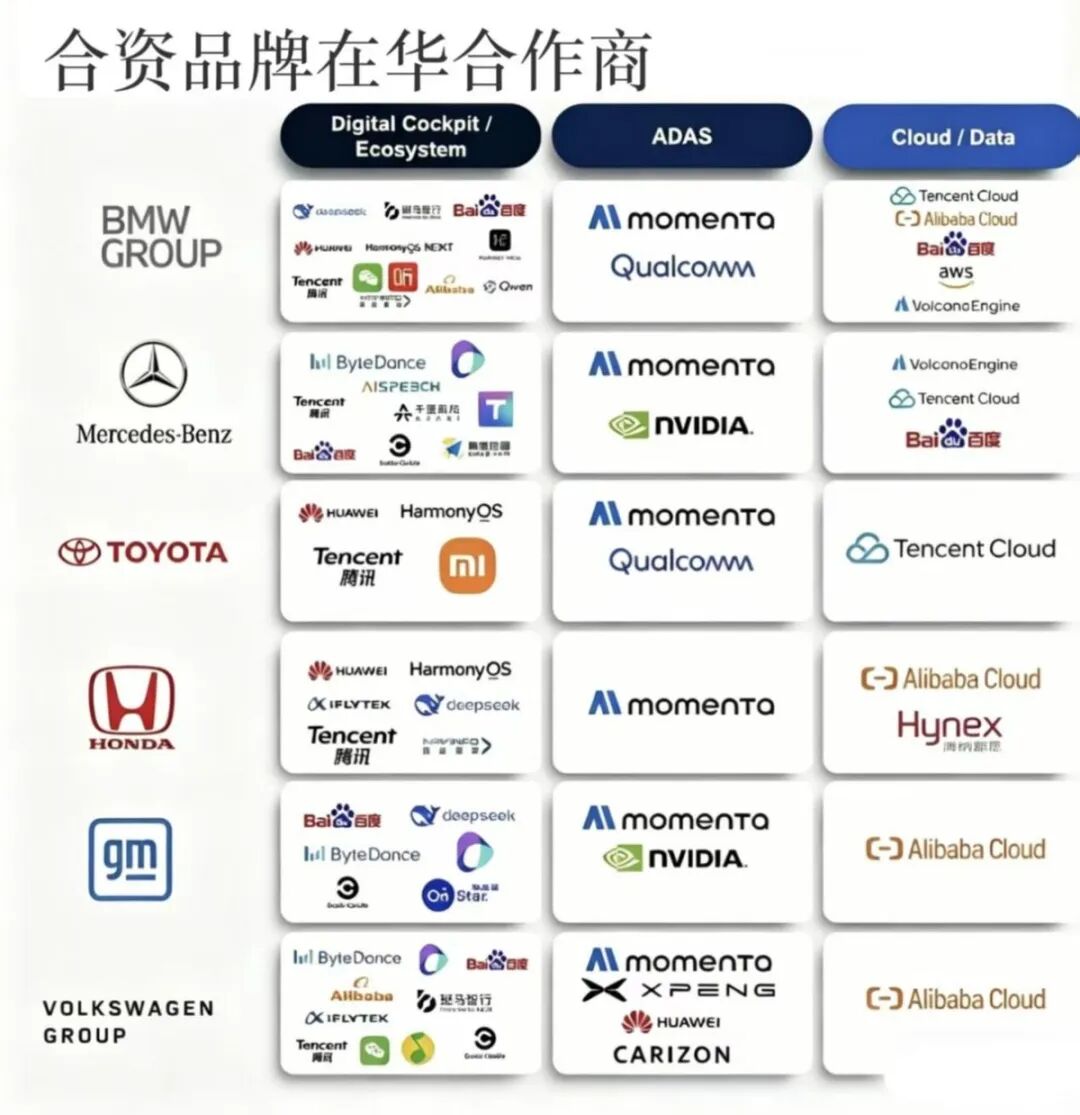
With Chinese innovation leading the world trend, this is where the future lies. "At the Mercedes Benz Brand Day during the Beijing Auto Show, Tong Oufu, the business leader of Mercedes Benz Greater China, anchored the future of Mercedes Benz in this way. China is not only our production center, but also our research and development center, and it will become the center for us to launch new products and models to other markets. "At the Hyundai Global Media Symposium at the Beijing Auto Show, Hyundai President and Global CEO Mu Houzai emphasized China's strategic positioning. Not only Mercedes Benz and Hyundai, but Nissan also defines China as "one of the world's major markets" and a "global innovation and export base" driving the future. BMW Chairman Zipser also said earlier this year, "China's innovation speed and industrial chain scale are unparalleled. The achievements we create in China will drive the global product lineup
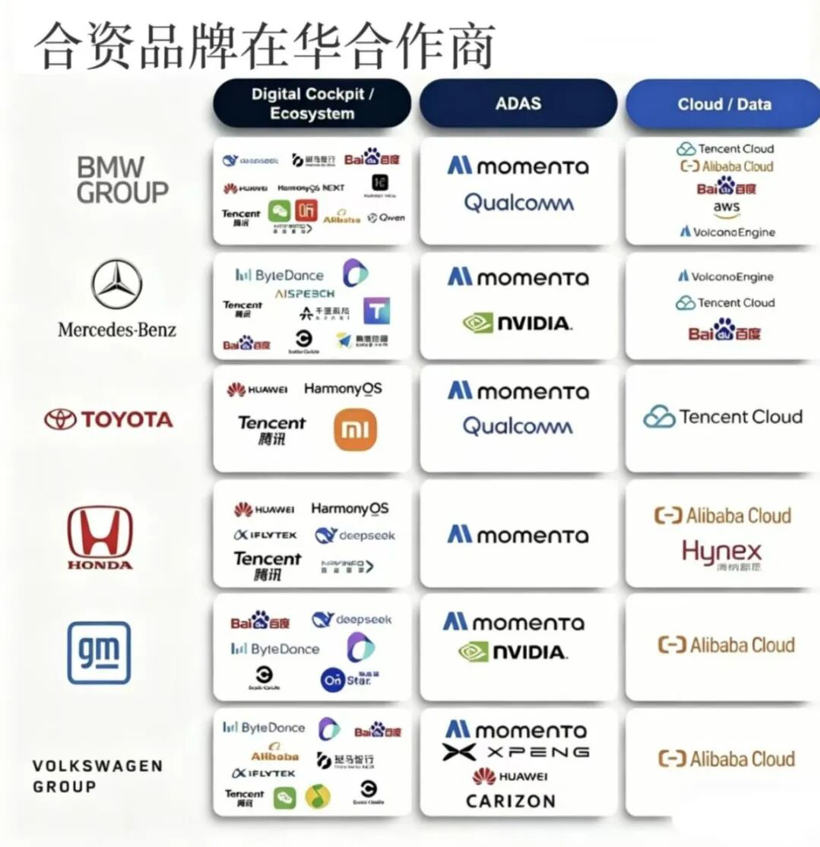
Earlier, Toyota adopted the Chinese chief engineer system, Porsche's first overseas comprehensive research and development center landed in Shanghai, and Volkswagen Xiaopeng and Geely Mercedes Benz began deep cooperation. Undoubtedly, foreign and joint venture car companies are comprehensively increasing their layout in the Chinese market, and the development logic has completed iterative upgrading: from the past "in China, for China" to the current "in China, to the world", the Chinese car market has become an innovative window for feeding back the global car industry. At the same time, domestic independent brands, relying on their first mover advantage and technological accumulation in the fields of new energy and intelligence, have continuously narrowed their profit margins under the fierce competition in the local market. Setting sail to the sea has become a core incremental path for car companies to break through growth bottlenecks and increase profitability.
Those who win China, win the world
By 2025, global automobile production and sales will reach 96.4 million and 99.8 million respectively. China's automobile production and sales will continue to rank first in the world, with annual domestic sales reaching 27.302 million and a global market share of 27.35%. The total export volume of automobiles will exceed 7.098 million, leading the global automobile industry pattern. In addition to the huge production and sales scale, China's complete automotive industry chain system and core technological advantages of continuous iteration have already taken shape. Taking intelligent driving as an example, Huawei Qiankun Momenta、 The strong rise of local technology companies such as Horizon Robotics, coupled with the landing and mass production of self-developed intelligent driving systems by major domestic brands, has built a globally leading intelligent automotive technology ecosystem. Under the wave of industrial technology iteration, foreign car companies are undergoing fundamental changes in their positioning and layout logic for the Chinese market. In the era of fuel vehicles, although China has long been at the forefront of global automobile production and sales, and has deep ties with joint venture car companies, for a long time, China has been more of a production and manufacturing base for foreign brands and a market for product dumping. In the industry pattern of "market for technology", most global car models are introduced to the Chinese market first, and joint venture car companies generally adhere to the localization strategy of "in China, for China". Even if they launch Chinese special models, the core design and research and development are completely led by overseas headquarters. Currently, many multinational car companies have comprehensively upgraded their strategies in China, moving from "in China, for China" to a new stage of "in China, for the world". Specifically, the discourse power and independent research and development capabilities of Chinese R&D teams continue to be prominent. Local teams lead the design and development of car models, not only serving the domestic market, but also beginning to reverse export globally, participating in the creation of cutting-edge car models for global synchronized release.
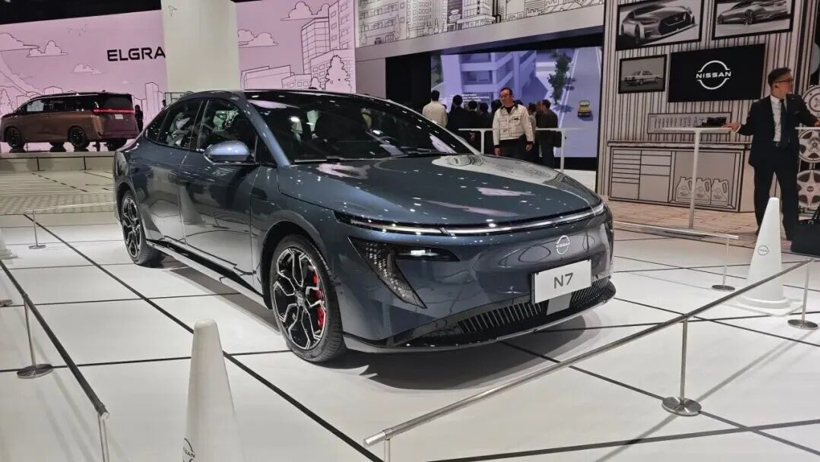
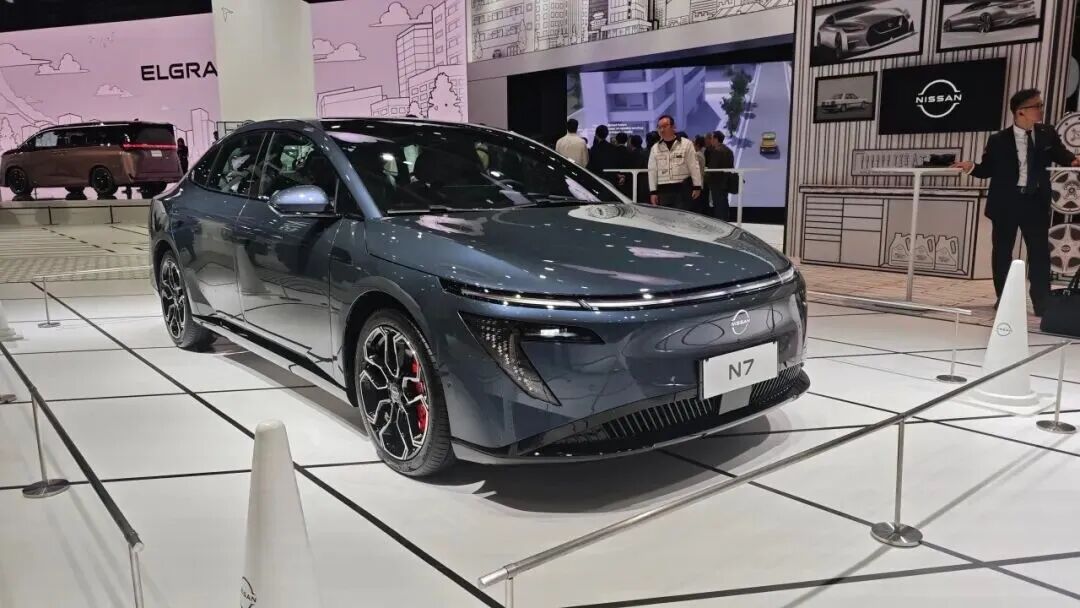
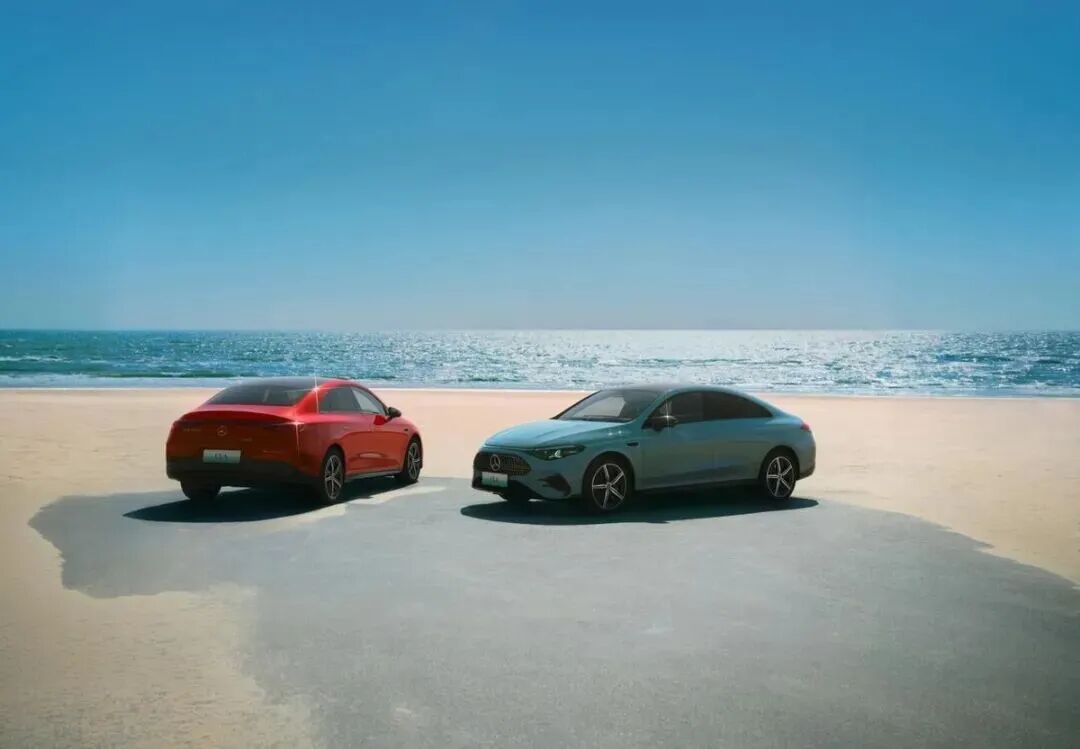
In October 2025, the Japan Mobile Mobility Exhibition opened, and Nissan's booth was crowded with people. A joint venture model led by a Chinese team made its debut on the Tokyo stage. In the traditionally closed Japanese market of the automotive industry, this seems unusual. A week ago, on the brand night of Nissan China's 40th anniversary, Nissan CEO Ivan Espinosa, who had been in office for six months, explicitly stated that the key to Nissan's transformation lies in China. At the just concluded Beijing Auto Show, he once again stated that the N7 will be exported from China to the global stage, taking the lead in exporting to Latin America and Southeast Asia. Not only Nissan, but after experiencing a global decline in sales and profits, Porsche has chosen to establish its world's first overseas comprehensive research and development center in Shanghai. The entertainment screen developed and designed by the center will be put into mass production within the year. The SAIC Volkswagen ID.ERA 9X has achieved mass production in the market. Unlike the traditional model of "overseas research and development, Chinese adaptation" in the past, this model is led by a Chinese R&D team. SAIC Volkswagen defines it as a milestone product that opens the "joint venture 2.0 era" and achieves "Made in China, Global Output". In an interview after the new car pre-sale press conference, SAIC Volkswagen stated that the new car is not only developed for the Chinese market. At the beginning of development, it planned its globalization path. Currently, right-hand drive models targeting Southeast Asian, Australian and other markets have also entered the adjustment and development stage. Mercedes Benz's pace is equally clear. The all-new CLA, which debuted last year, is hailed as the "smartest Mercedes Benz in history" model. It is equipped with the MB.oS architecture developed and designed by the Mercedes Benz China team, and is equipped with the assisted driving system of the Chinese intelligent driving brand Momenta. The battery supply also comes from Chinese companies, fully demonstrating Mercedes Benz's research and development philosophy of "in China, for China". Despite being positioned as the next generation technology carrier of Mercedes Benz, the niche model CLA has not taken on too many sales tasks in China. However, in the global market, CLA's performance has been exceptionally impressive, even exceeding expectations. Since its launch, the pure electric CLA has accumulated over 25500 registrations in Europe.
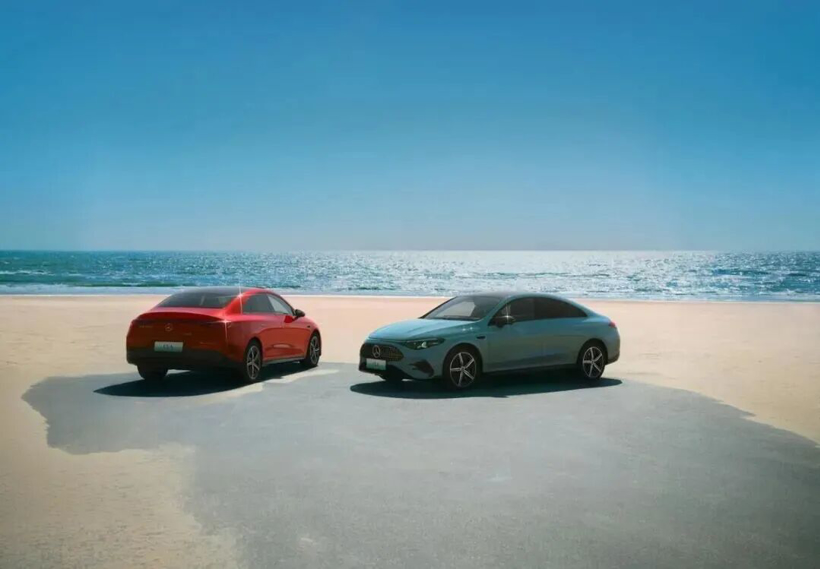
Mercedes Benz Group Chairman Kang Linsong once defined the Chinese market as the "Champions League" of the automotive industry, which further demonstrates the core importance of this market in Mercedes Benz's global strategy. The Chinese R&D team has more or less gained autonomy. But I believe a better approach is to utilize the achievements we have developed here to innovate in China and empower the world. "In a recent interview, he once again emphasized the role of the Chinese market. Various signs indicate that joint venture brands have entered a new era - those who win in China will win the world.
02 Setting sail overseas, seeking profits
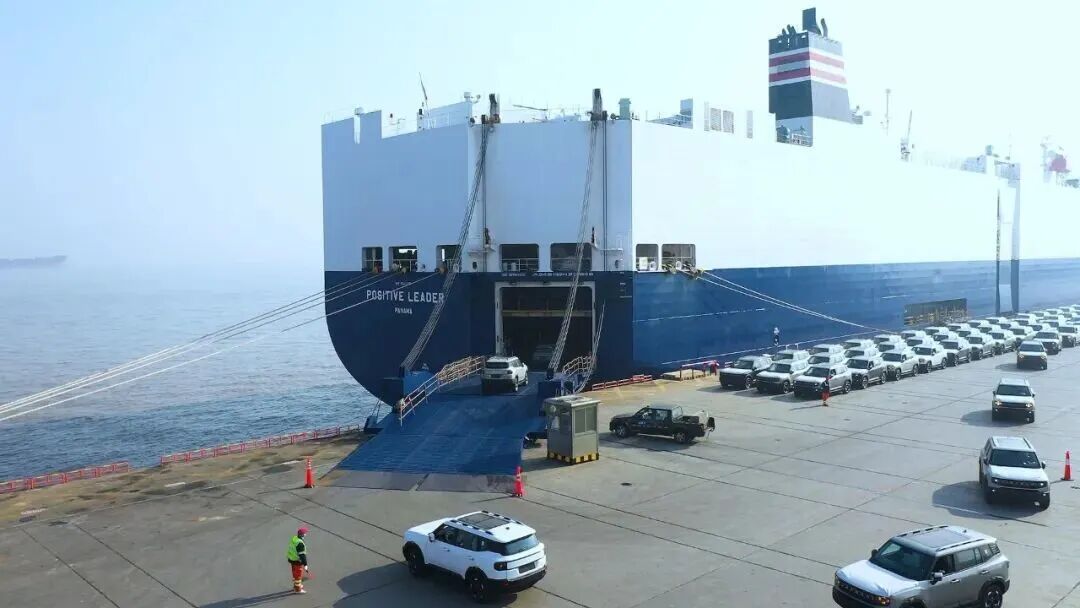
In response to the deep cultivation of foreign car companies in China and their use of the opportunity to support the world, Chinese domestic brands, which are at the center of the global automotive industry competition storm, have also ushered in a new turning point in their development. Against the backdrop of sluggish growth and continuously narrowing profit margins in the domestic market, going global is becoming the most impressive growth pole for Chinese automobiles this year. The data is sufficient to illustrate the problem. In the first quarter of 2025, the total profit of the automotive industry was 78.4 billion yuan, a year-on-year decrease of 18%, and the sales profit margin dropped to 3.2%. In sharp contrast, the overseas market saw China's automobile exports reach 2.34 million units in the first quarter, a year-on-year increase of 53%, with Latin America and Europe becoming important growth engines. As a pioneer in China's automobile exports, Chery Automobile's development trajectory is highly representative. By 2025, Chery Group's self owned passenger car sales will reach 2.631 million units, of which the export volume of automobiles will reach 1.2944 million units, accounting for a high proportion of 49.2% and almost half of the total sales volume; In terms of revenue, the group's total annual revenue reached 300.29 billion yuan, with overseas revenue exceeding 157.42 billion yuan, accounting for 52.4% of the total revenue. Overseas markets have become the core pillar of Chery's revenue. Under the structure of "slightly lower proportion of overseas sales than domestic sales, but higher revenue contribution", Chery's net profit and profit margin still maintain a leading position in the industry under general pressure.
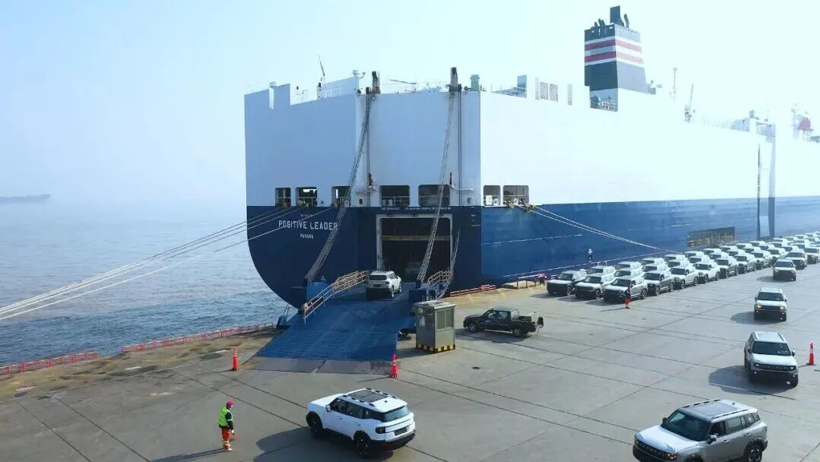
Affected by multiple factors such as international geopolitical conflicts and rising global oil prices, the demand for new energy vehicles in many overseas countries continues to surge. BYD has raised its overseas sales target for this year to 1.5 million vehicles, demonstrating strong confidence in the overseas market. Data shows that from January to April this year, BYD's automobile exports exceeded 450000 units, a year-on-year increase of 65.3%, with a rapid growth momentum. With the addition of technology, the overseas expansion of Chinese domestic brands is no longer simply exporting low-end commuting products, but is gradually breaking through towards high-end products. After the Tengshi Z9GT equipped with the second-generation blade battery landed in the European market, it quickly gained market recognition and good reputation. Its pre-sale price of up to 115000 euros is also on par with high-end European models. Driven by the trend of going global, Chinese domestic brands such as BYD, Geely, Chery, and Changan are accelerating their global expansion, intensively taking over and building overseas production bases, and deeply exploring multiple key overseas markets such as Russia, Southeast Asia, and Latin America, achieving a global layout of localized production, sales, and services. Two paths, one direction. Foreign investment borrows from China to support the world and independently seeks growth overseas. Seemingly going against each other, in reality, they lead to the same destination. China has become the true "midfield" of the global automotive industry. Whoever gains China gains the world, and whoever gains the world also needs to deeply cultivate China. This two-way competition story is just beginning.
 English
 Chinese